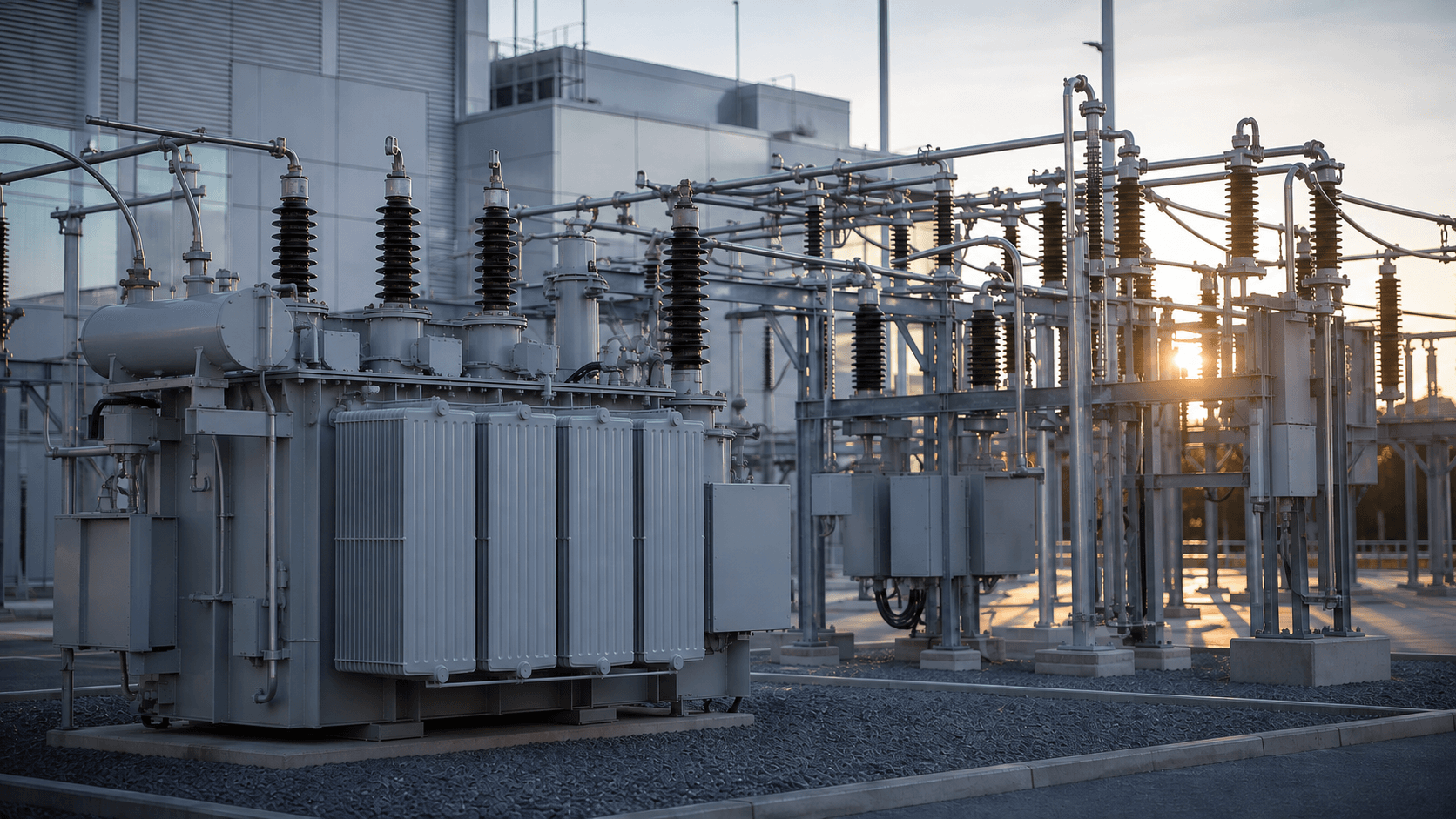
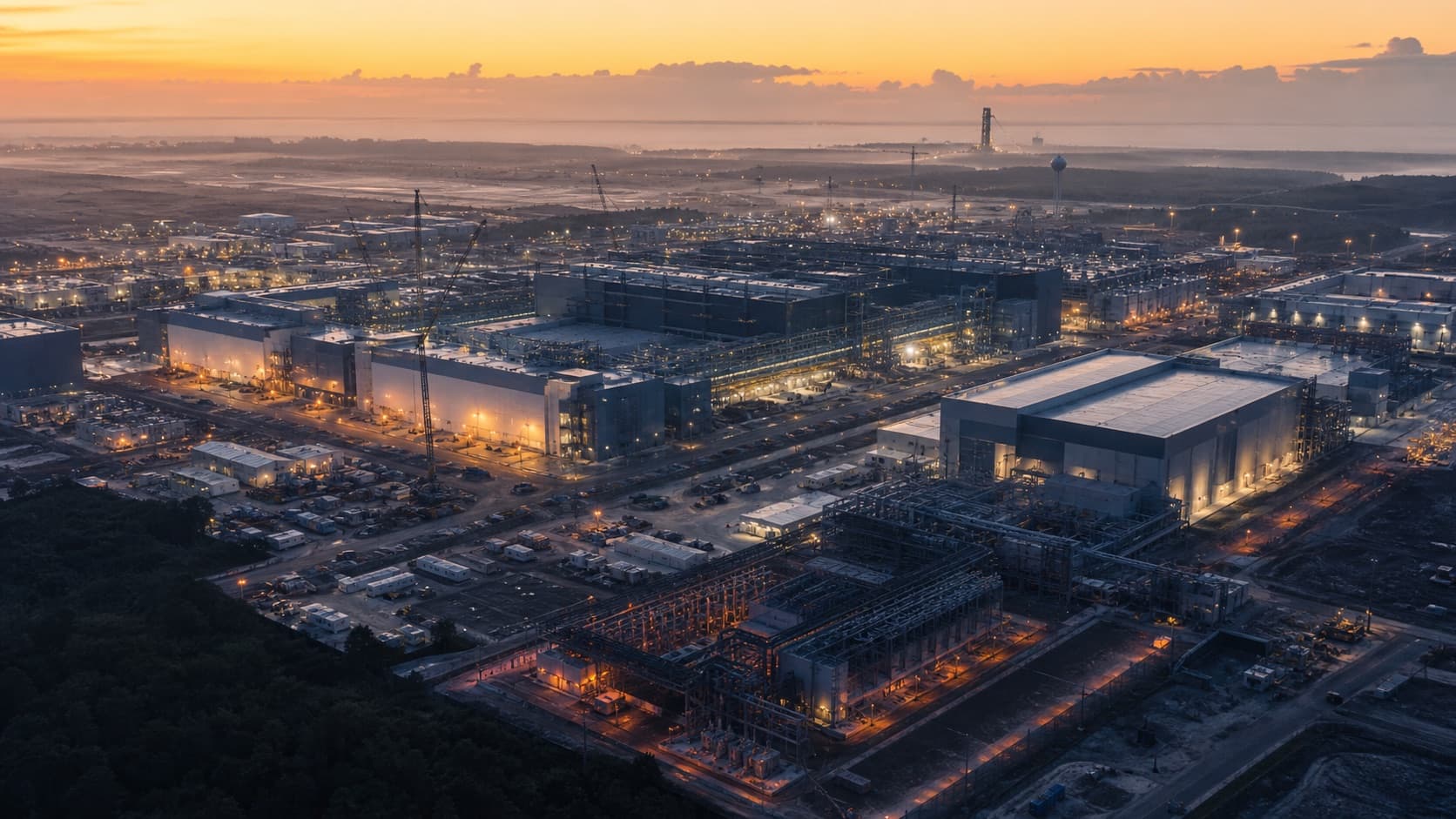
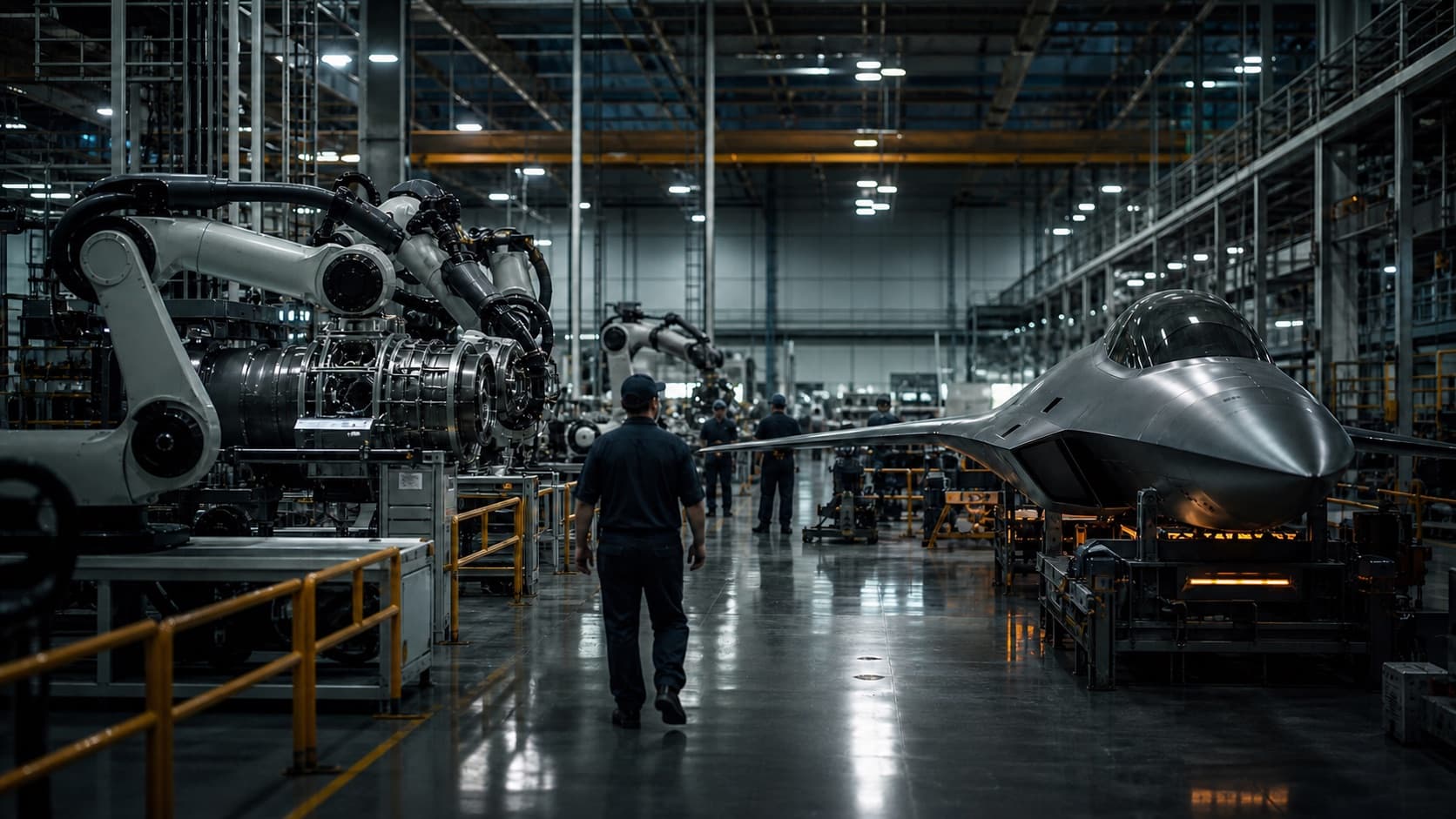
The conditional investment adds engineering capacity to Hermes 2. Factory integration, fuel qualification and operating approvals still have to turn the plan into electricity.
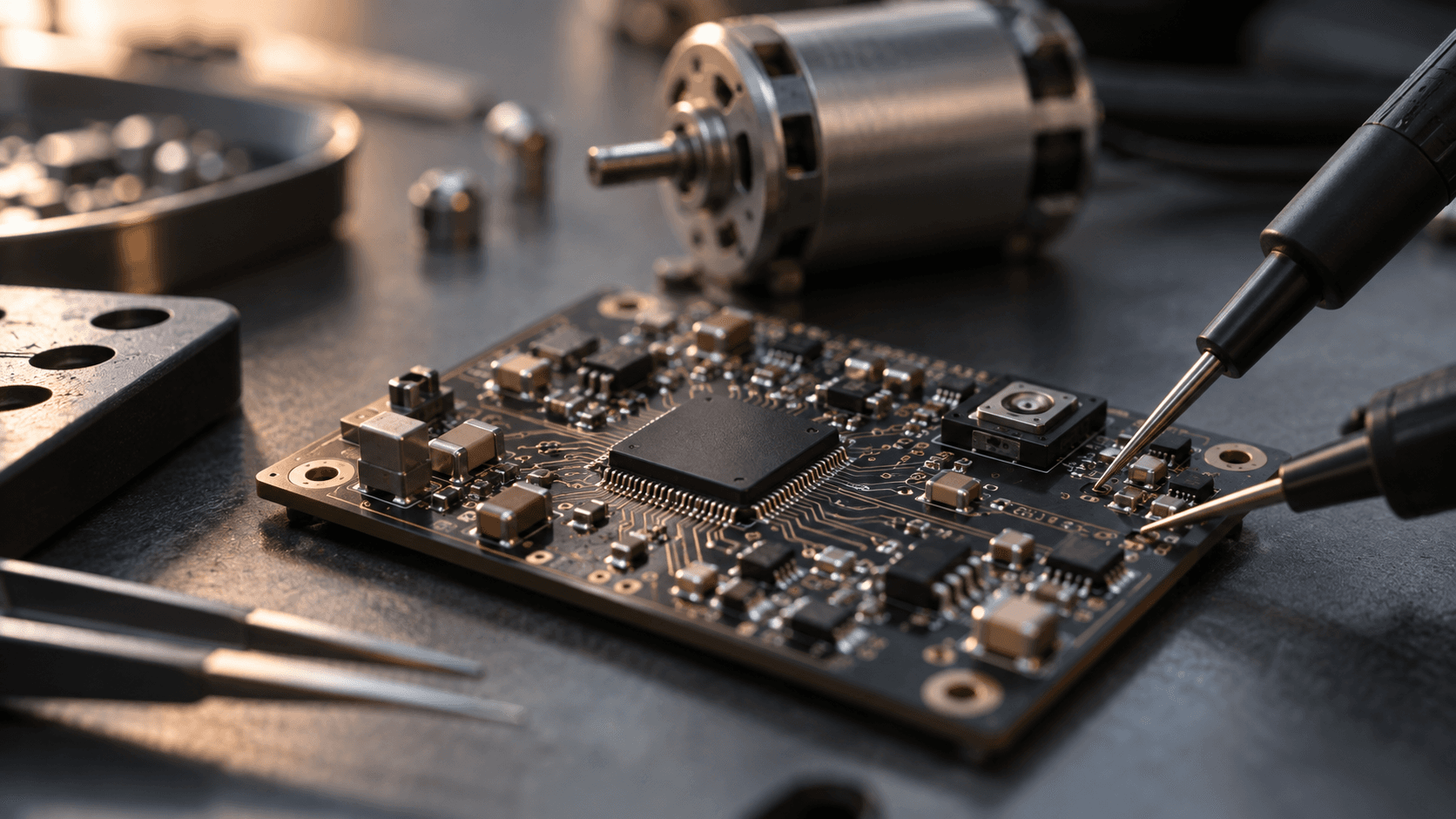
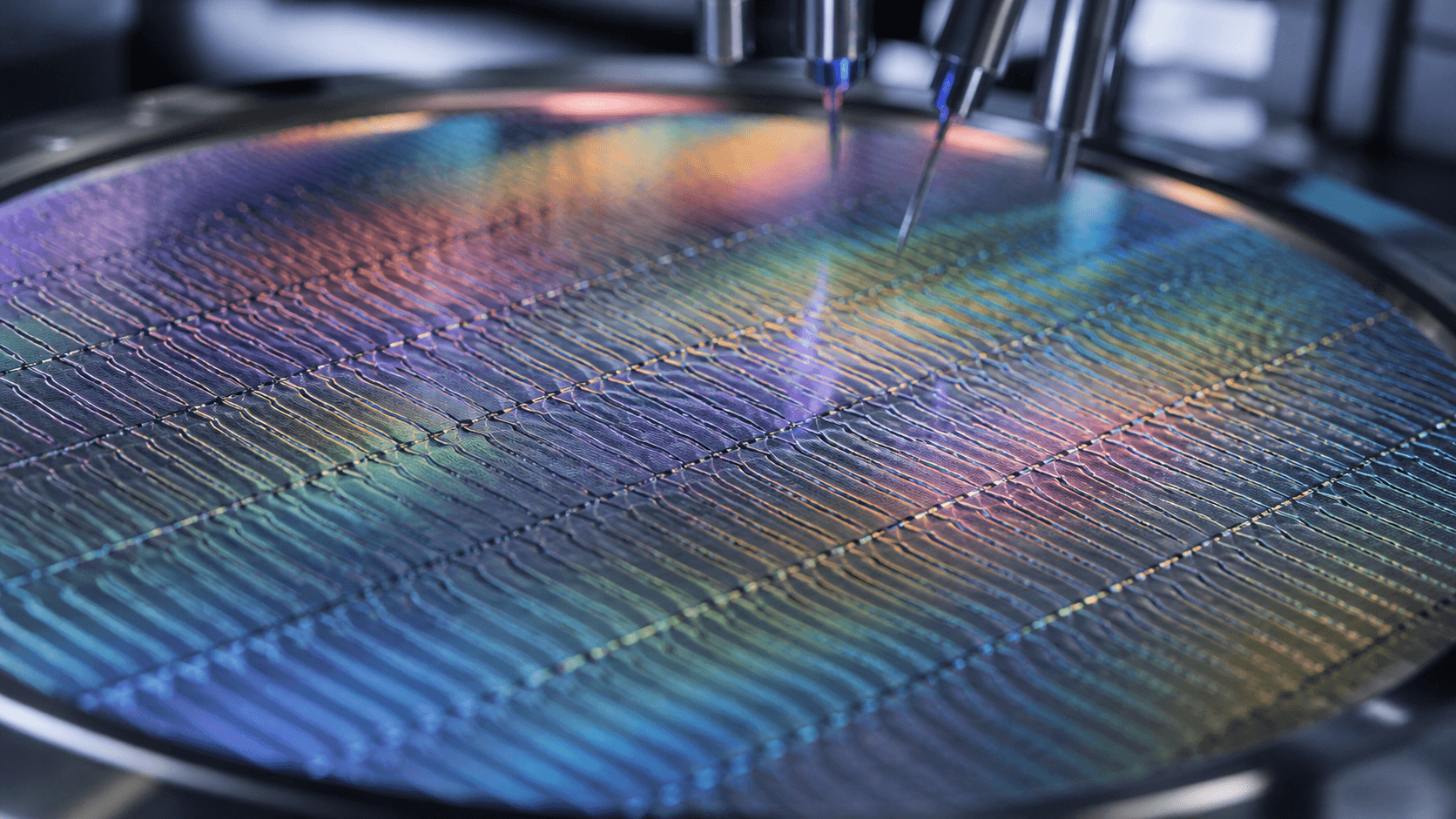
The planned Alif acquisition brings embedded inference closer to analog sensing. The real test is whether power control, compiler support, and repeatable validation make better products.
Custom inference silicon and optical links give the partnership technical substance. Its purchase-linked warrant still needs to be read as a conditional instrument, not booked revenue.
The public filing exposes a fast-growing hybrid: hardware still produces 80 percent of revenue, while membership grows faster and carries an 89 percent gross margin. The IPO has not priced, but the strategic test is already visible.
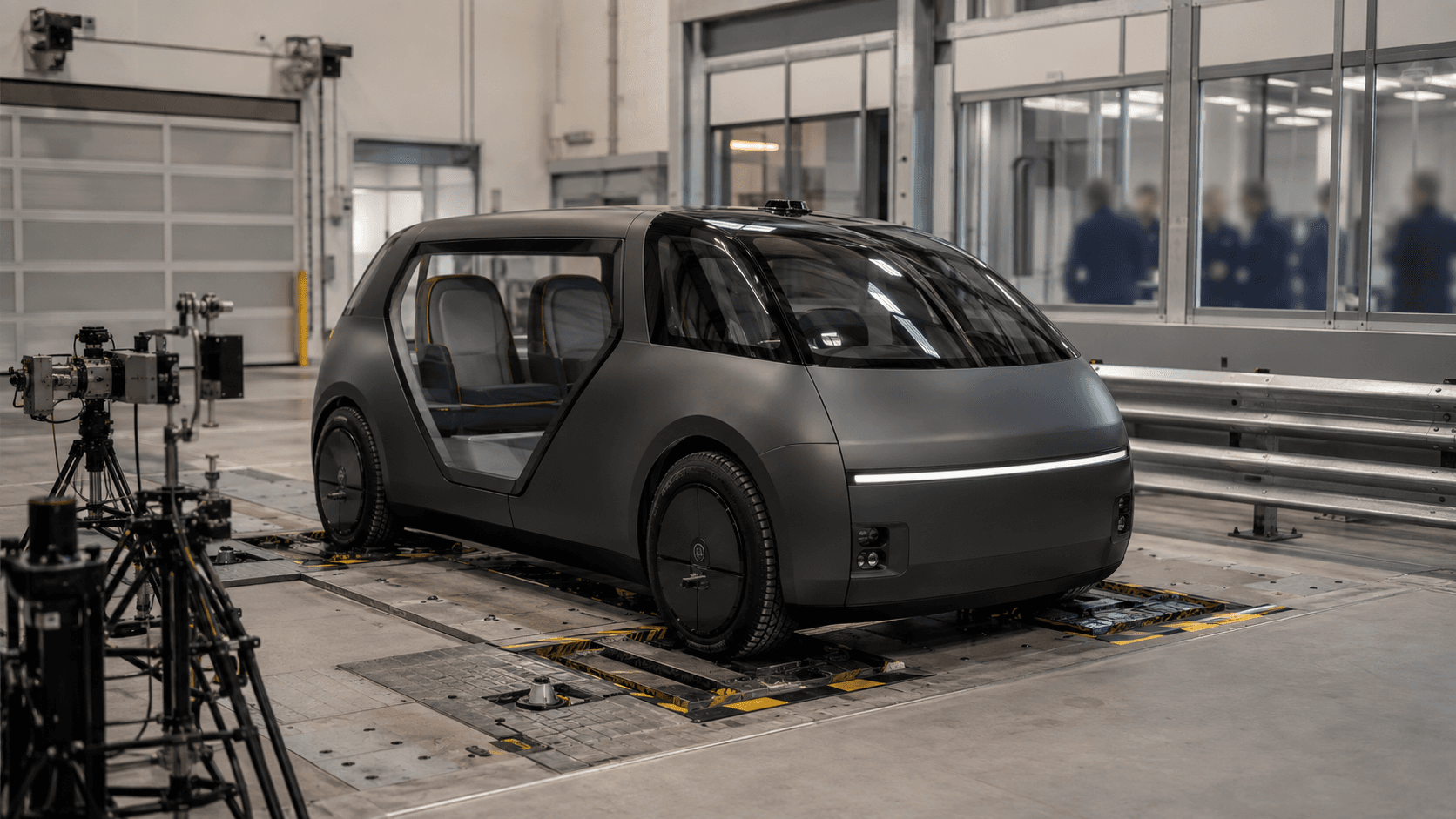
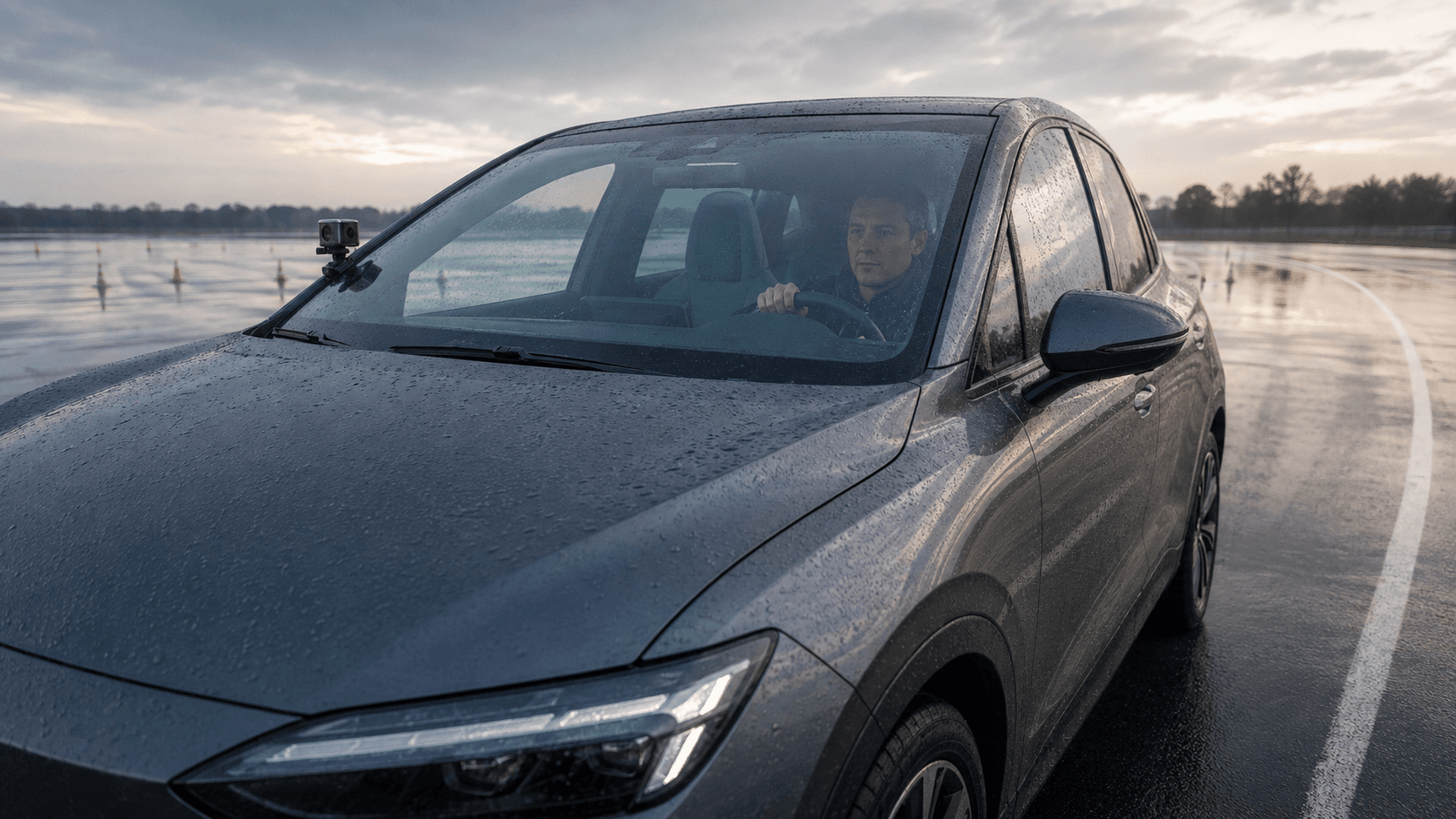
Tesla says its purpose-built robotaxi complies with federal vehicle standards. NHTSA has opened an audit to see whether the technical evidence and legal interpretation support that claim.
MGE and Realta are exploring a Wisconsin fusion plant, not announcing a finished one. The partnership exposes the distance between promising plasma research and electricity a customer can depend on.
Uber and Wayve have opened supervised public rides in London. The milestone tests a real passenger service, while driverless approval, independent safety evidence, and operating economics remain separate questions.
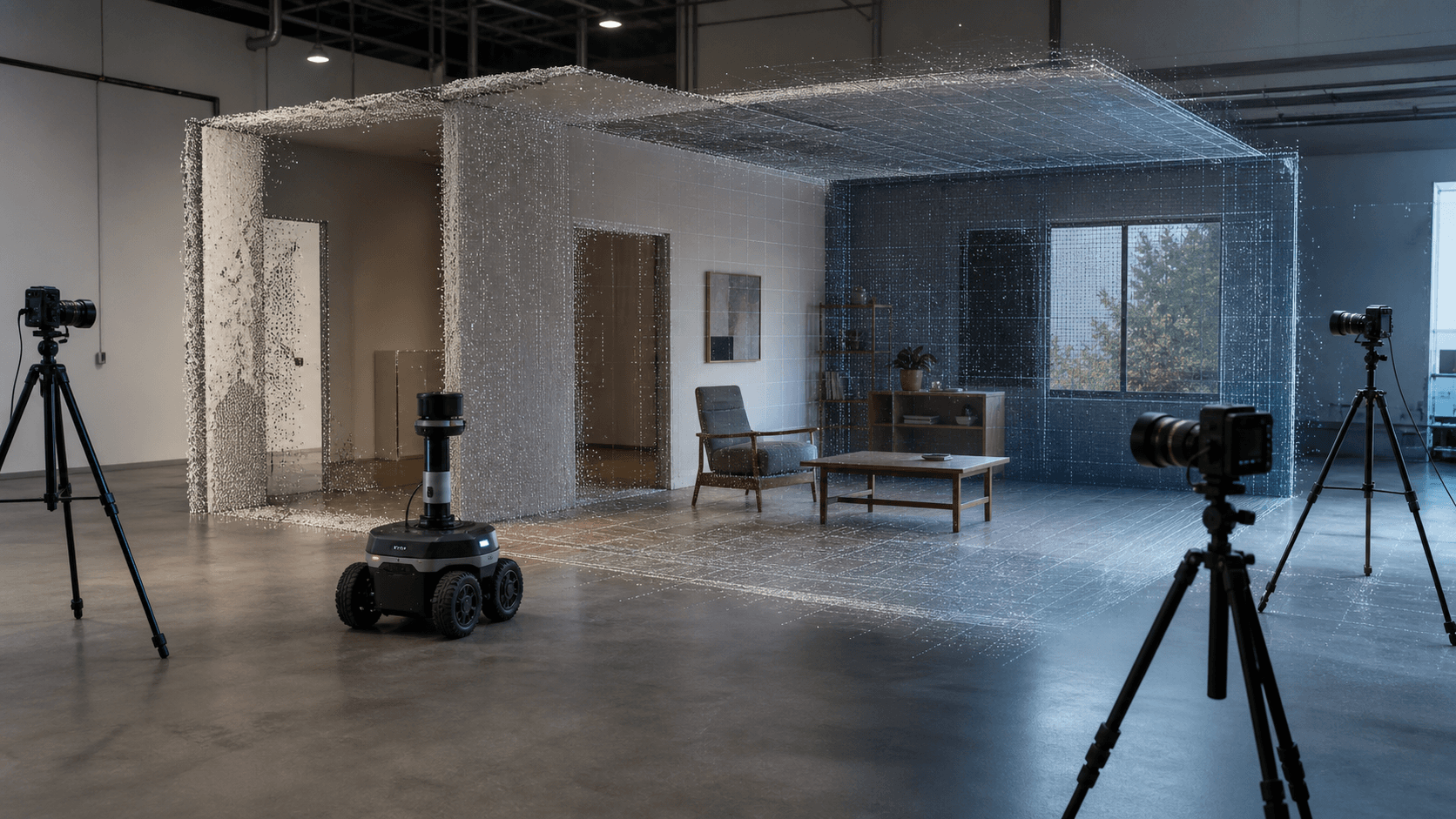
World Labs says Atlas can generate, reconstruct, and simulate scenes through one shared spatial context. The useful breakthrough is not prettier video. It is controllable geometry that could connect creative tools, digital twins, and robot training.
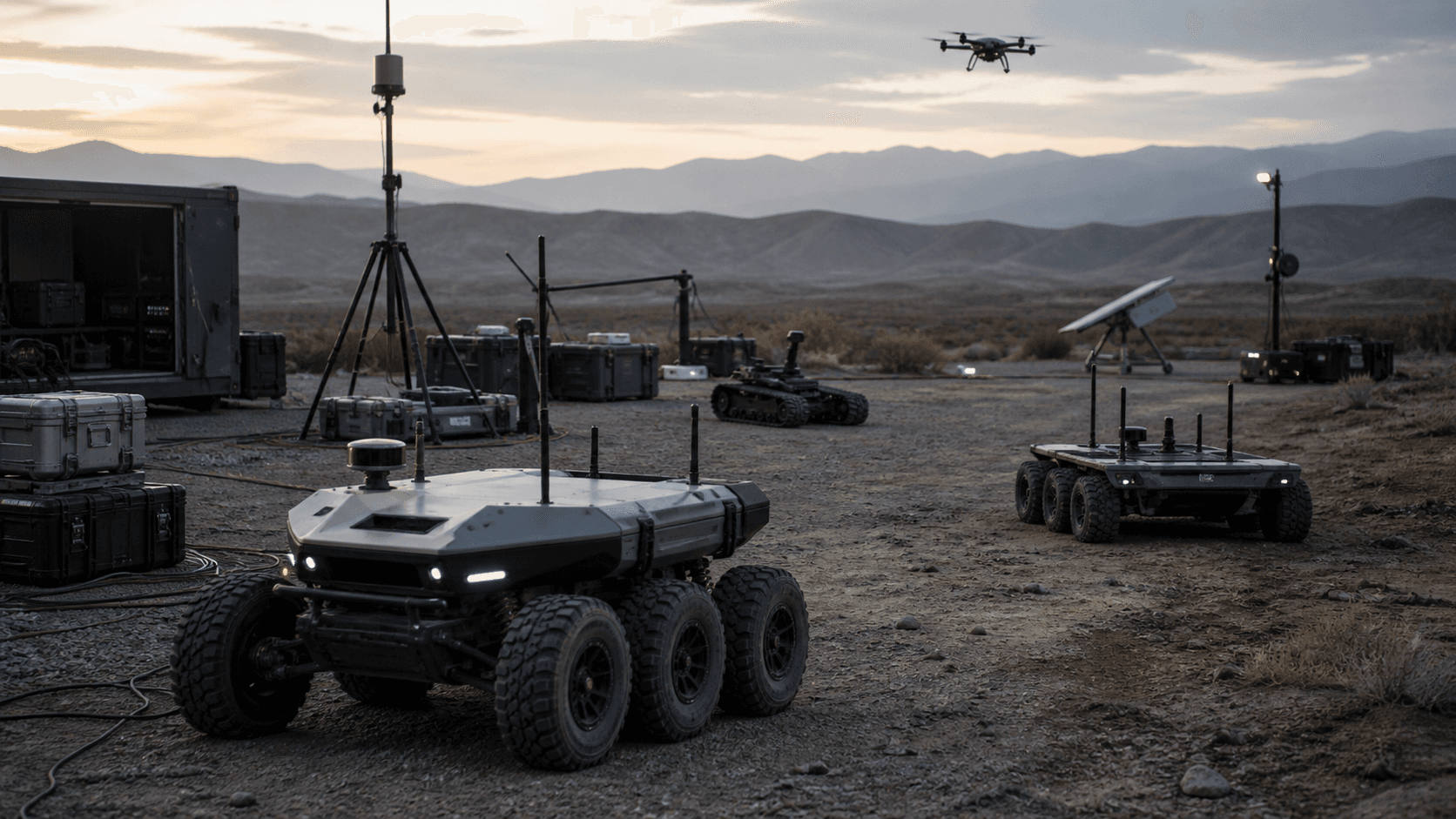
Aitan emerged from stealth with a $41 million round and a platform pitch built around command, coordination, sustainment, and local control. The company is selling an operating capability, not just another drone.
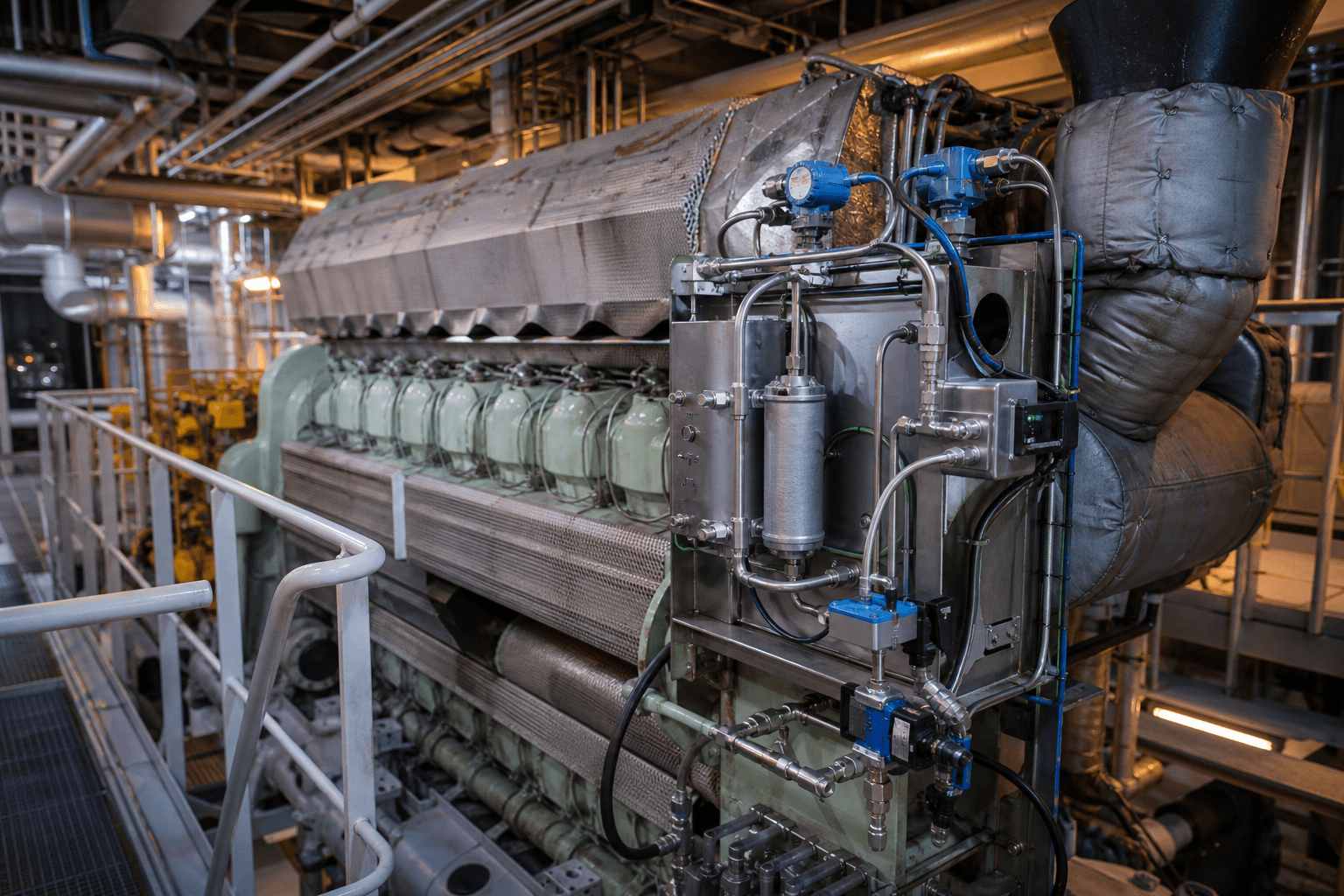
Newlight says its hydrogen injection system cut fuel use by 24 percent on an 8,500-nautical-mile commercial voyage. The results are company-reported, but the strategy is worth watching because it starts with the ships already moving freight.
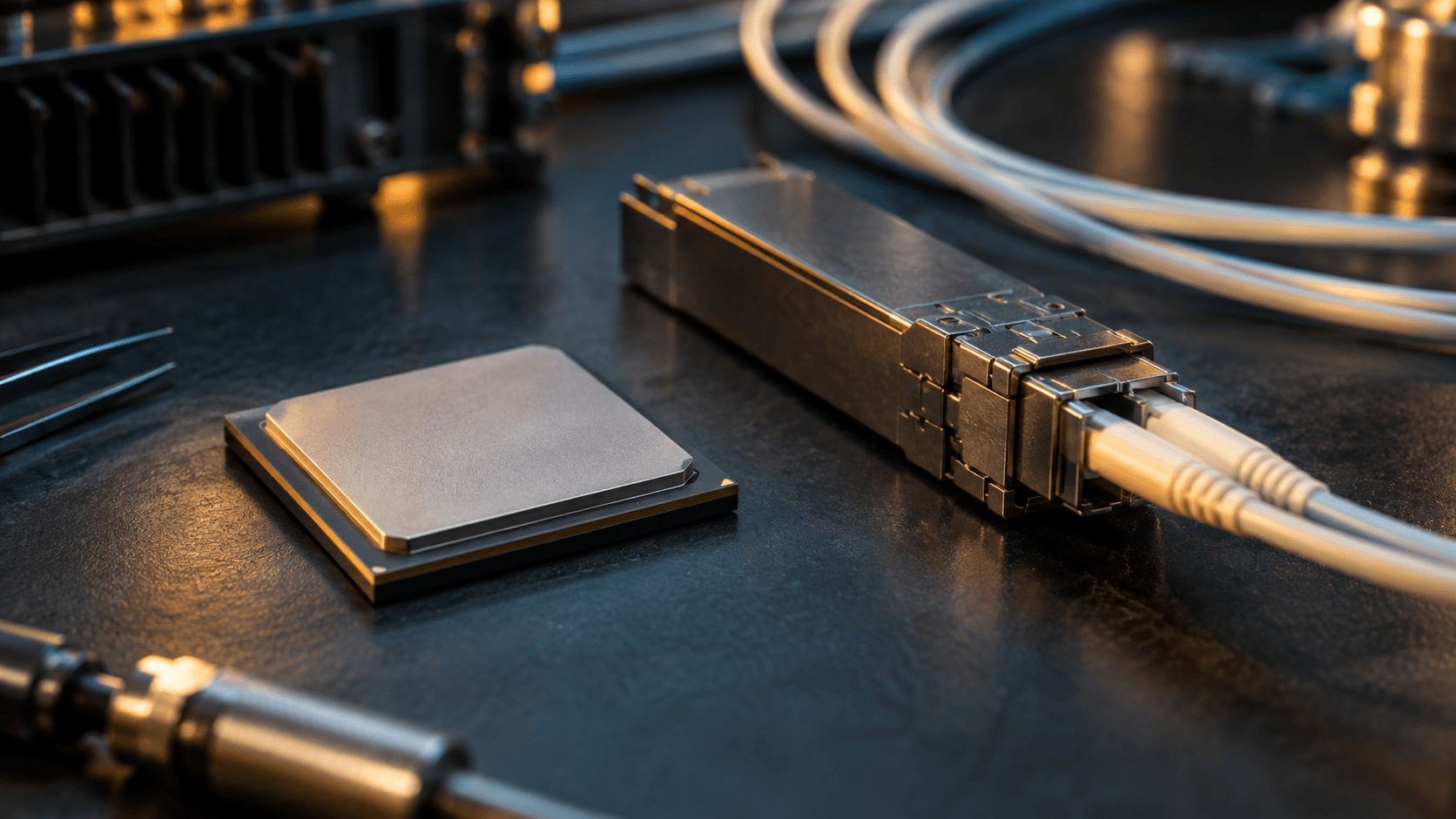
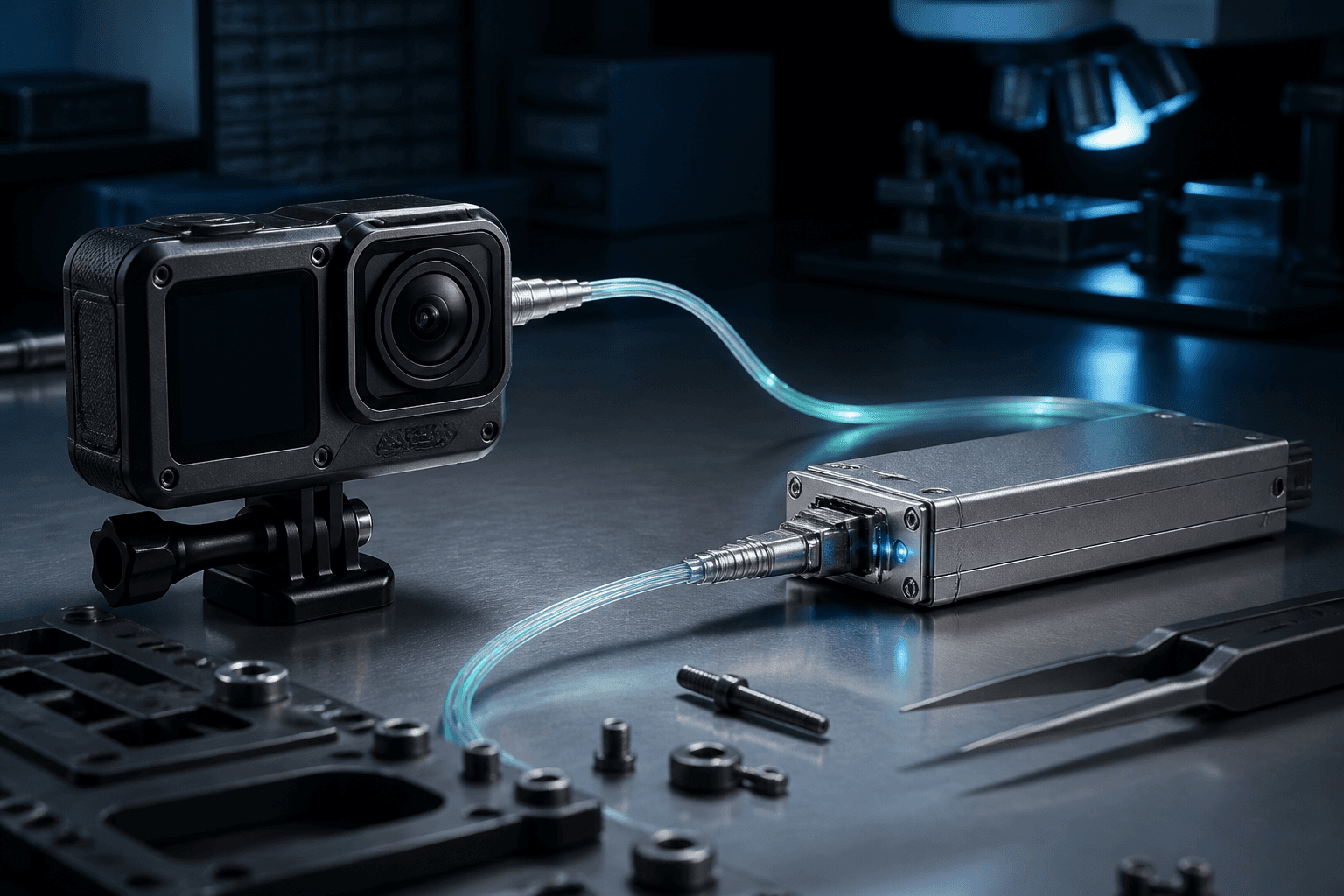
GoPro has signed a definitive merger agreement with optical-transceiver company Starman. Shareholders would receive $285 million in aggregate cash and retain a stake in a public company aimed at AI data centers, defense, aerospace, and imaging.
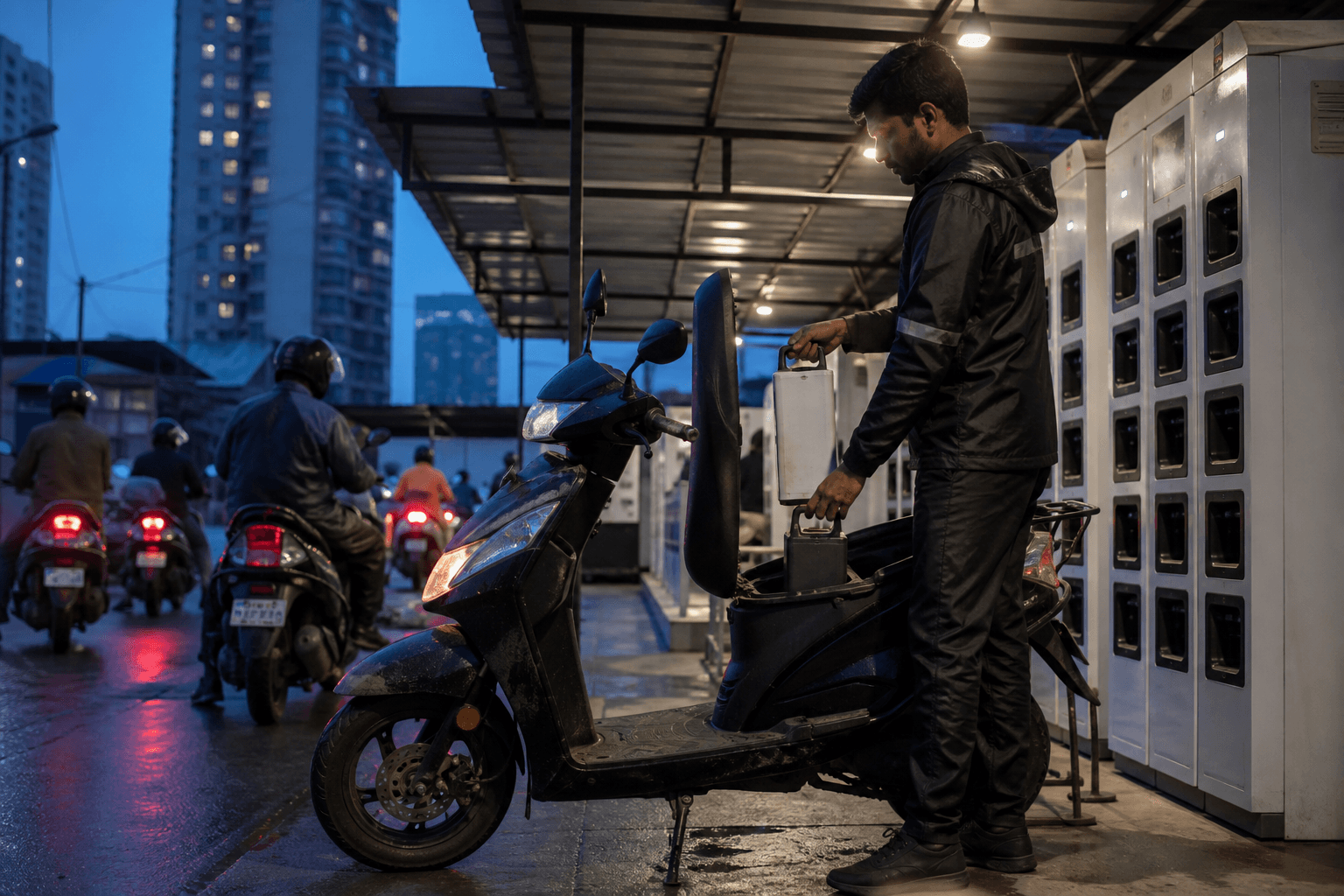
Magna is investing another $35 million in Yuma Energy as the Indian network prepares to double its battery fleet. The bet is not that swapping beats charging everywhere. It is that downtime has a different price when the scooter is the business.
Switch Bioworks is testing engineered microbes that establish themselves on crop roots before turning on nitrogen production. The mechanism is clever. Field reliability will decide whether it becomes agriculture or another beautiful lab result.
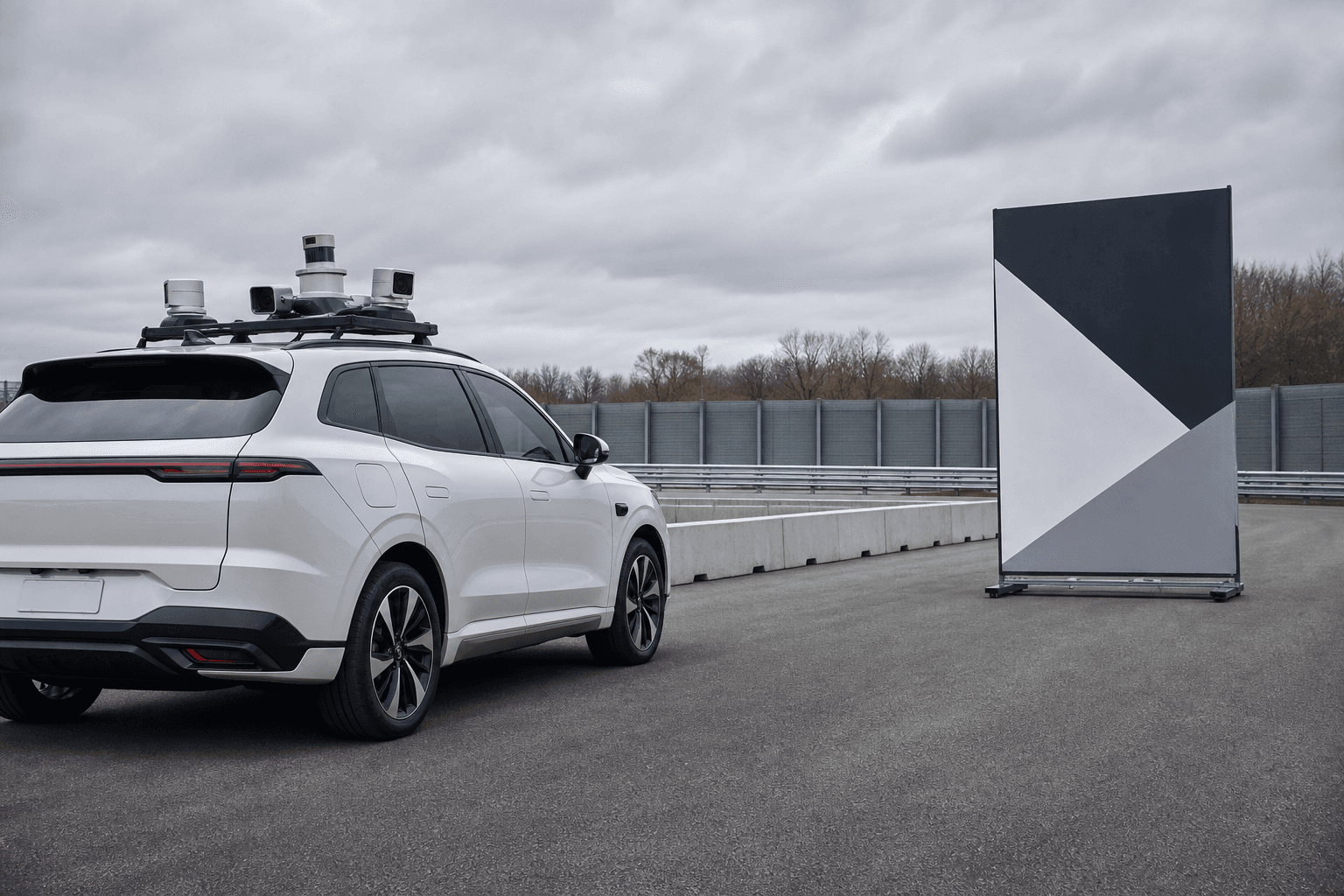
Researchers have demonstrated a physical attack that tricks an online camera and lidar calibration process, then leaves the vehicle operating with poisoned sensor alignment. Security moved from fooling perception to rewriting the frame it trusts.
A new preprint reduces absolute geometry error from 2.01 meters to 0.07 meters while preserving relative accuracy. The point is brutally practical: a robot cannot act on a world whose scale changes with the camera view.
Nvidia is putting $3.5 billion into MediaTek as custom accelerators spread through the data center. The strategy is not to stop every rival chip. It is to make those chips live inside Nvidia's system.
CoCoBench tests 11 multimodal models across 897 executable household tasks. A system can look strong overall while failing specific forms of allocation, sequencing, exclusion, or handoff.
New U.S. duties reach 100 percent on some imported drones and docking systems. The policy changes the price immediately, but domestic motors, batteries, sensors, and production capacity still have to be built.
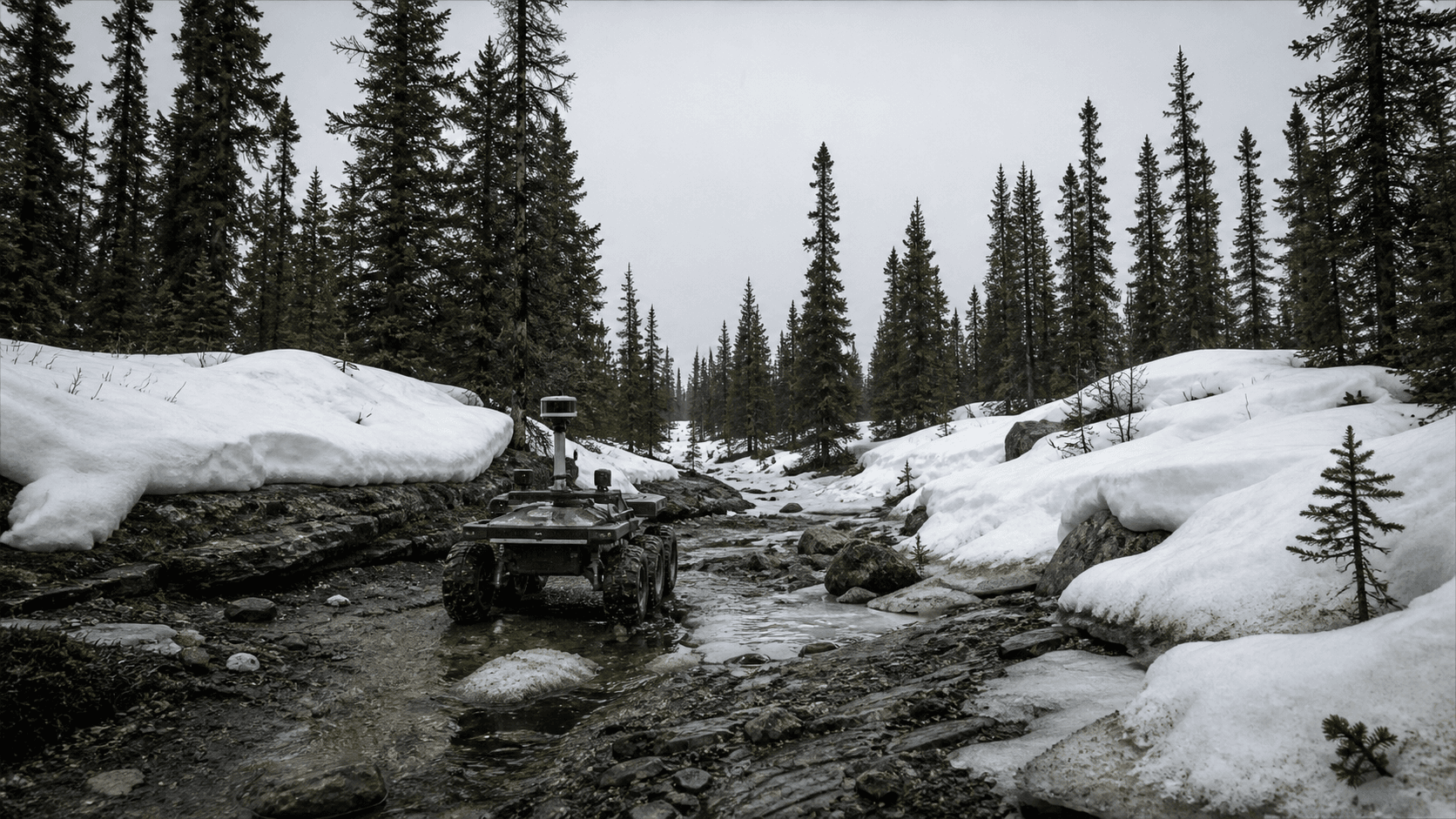
Researchers ran nine navigation methods across 64 kilometers of subarctic terrain and multiple seasons. More sophisticated SLAM often bought limited accuracy while creating new ways to fail.
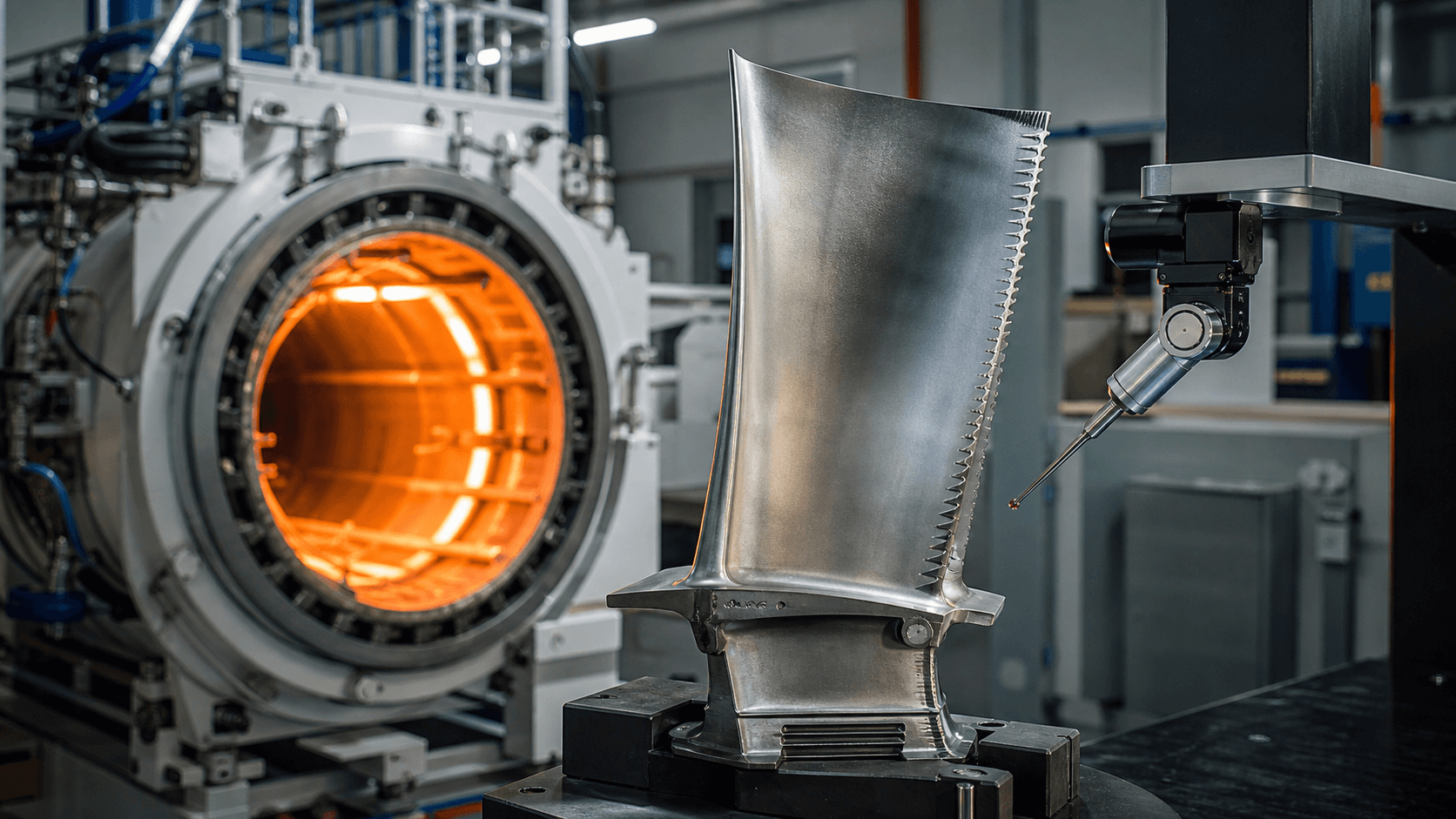
SpaceX is reportedly preparing to cast turbine components near Bastrop as Elon Musk argues that blade supply is slowing new gas generation. Compute infrastructure is dragging specialized manufacturing and pollution into the same plan.
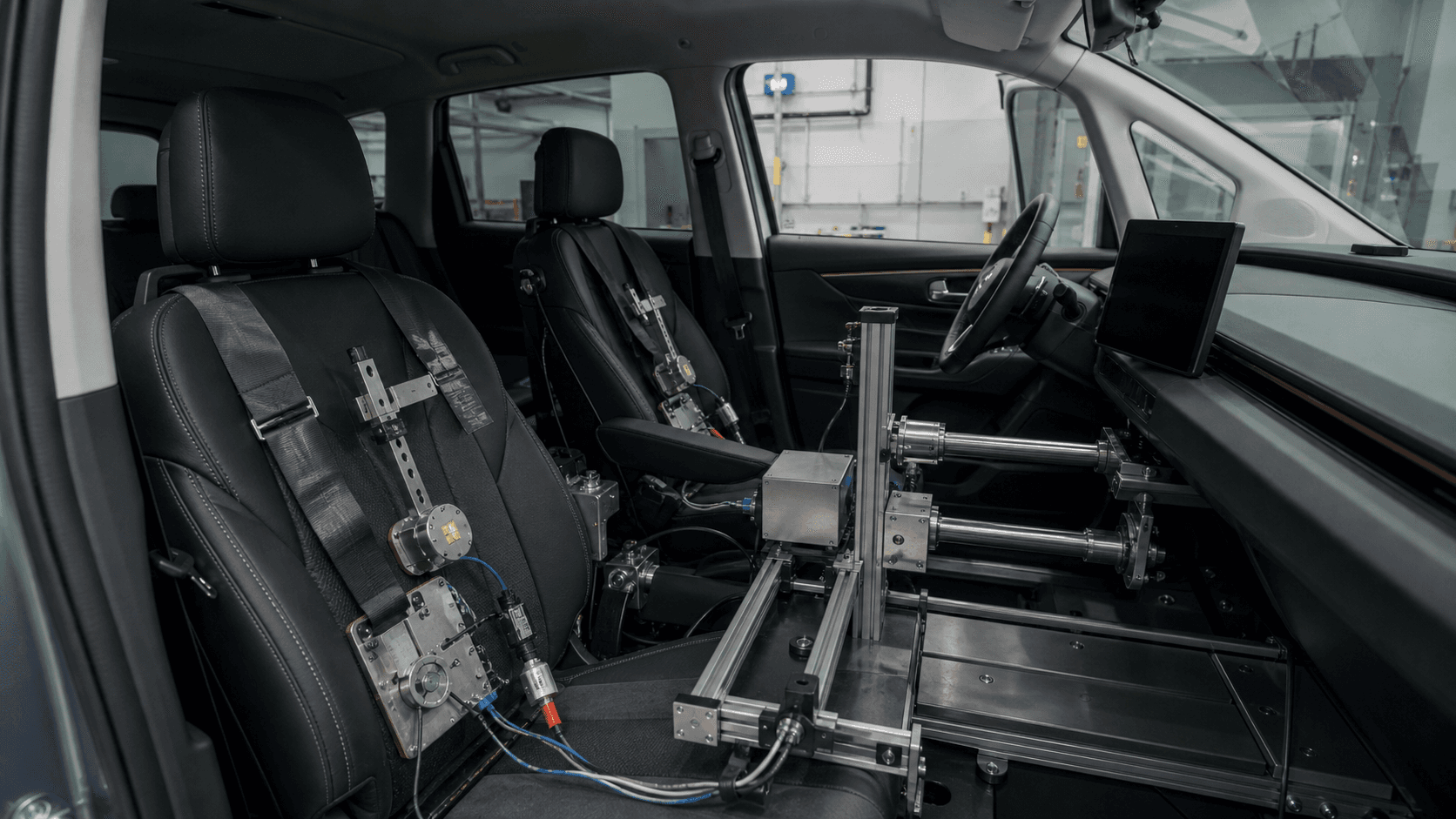
OSHA records reviewed by TechCrunch show test drivers hurt by hard braking and sudden vehicle movements. Public crash metrics do not capture the people absorbing the rough edges before deployment.
ETH Zurich researchers built microscopic structures that can generate and sense complex light fields. The result is early laboratory work, but it collapses the border between display, camera, and optical computer.
The industrial giant is carrying lessons from autonomous haul trucks into technician tools, digital twins, software agents, and workforce training. The advantage is not a model. It is operational memory.
The completed HRL Laboratories acquisition gives IBM silicon-spin expertise beside its superconducting roadmap. That is a serious hedge, even without disclosed economics.
Perceptron's Isaac 0.5 combines video understanding, embodied reasoning, and control in one open model. The boldest claim is not its size. It is how sharply general video reduced robot data needs.
Pollen Robotics opened preorders for Microduck, a small biped with an open reinforcement-learning stack. It is not a humanoid worker. It may be something more useful right now: accessible infrastructure for experimentation.
Caltech researchers report that a molecular shuttle carried several therapeutic payloads into the brains of mice and non-human primates. It is a platform result, not a human treatment.
More than 900 million dollars is going into XPENG Robotics at a post-money valuation above 6.3 billion dollars. The financing validates the ambition. It does not validate mass production.
Arduino's VENTUNO Q pairs a 40-TOPS application processor with a real-time microcontroller and is open for preorder. The useful idea is not another AI board. It is a development path from model inference to deterministic physical control.
Anthropic's Model Hardware Standard is an early attempt to give agents one safe interface for laboratories, robots, and industrial equipment. The standard is still a research preview. The leverage, if it survives contact with real machines, is enormous.
Andreessen Horowitz raised $1.1 billion for a dedicated Machine Age Fund. The money is not the interesting part. Hardware has finally become an official investment motion inside one of software's loudest institutions.
NVIDIA announced a 15-watt edge computer with twice the inference performance of its predecessor. It is not available yet, but the design target shows where physical AI gets real.
REGENT reportedly paired roughly $120 million in equity with similar debt capacity. The machine is ambitious. The dual-use route to market is more interesting.
Vera systems are reaching cloud providers and frontier labs. The pitch is simple: agents create a different infrastructure bottleneck, and NVIDIA wants to own that too.
MIT researchers found a way to contaminate branch predictors inside the tiny interval where existing defenses assumed the machinery was clean. A few instructions were enough.
MIT's bifur-circuits can bend, rotate, stretch, and compress while preserving electrical connections. The interesting part is not a shape-changing chair. It is hardware that knows what shape it became.
The proposed $70 billion industrial district in the Philippines is not merely a technology park. It is the first major physical test of a U.S.-led effort to reorganize the infrastructure of artificial intelligence around trusted allies.
 01
01