A normal pixel has one job. It emits light or measures it. Researchers at ETH Zurich have demonstrated a device that does both, which sounds like a small component upgrade until you follow the consequence: the boundary between a screen and a camera starts to disappear.
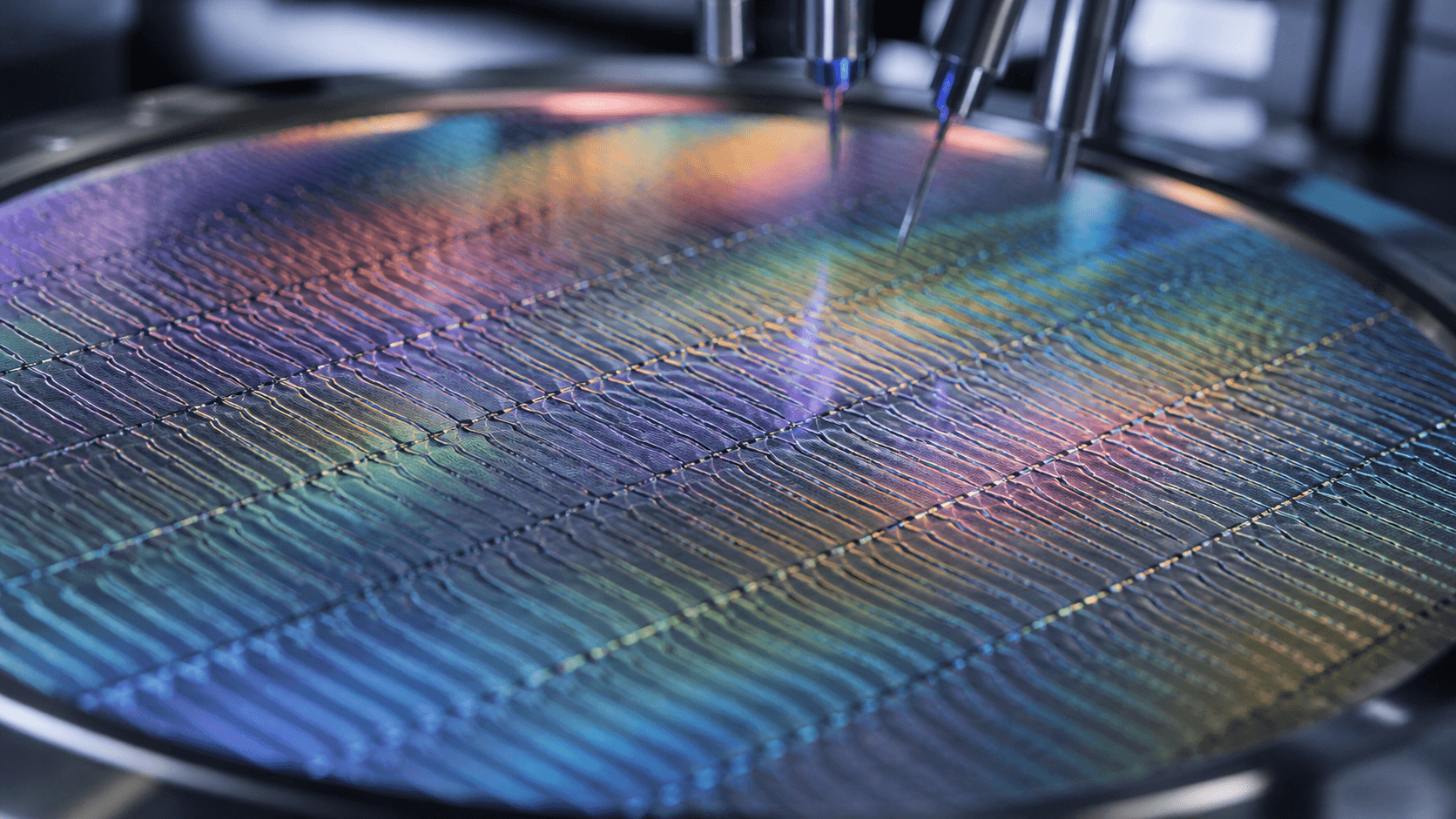
The Nature paper describes what the team calls a Fourier pixel. A precisely designed wavy surface couples free-space light with guided waves, giving the device control over more than brightness. The researchers use the structure to manipulate and sense amplitude, phase, and polarization, the properties that carry much of light's available information.
That combination could support displays that respond to the light arriving at each pixel, compact holographic systems, adaptive optics, optical communications, and augmented-reality hardware that senses through the same surface producing the image. Instead of bolting a camera beside a display, future devices could make observation part of the display layer itself.
Do not order the invisible camera screen yet. The group fabricated very small arrays, and the researchers describe full camera-display systems as speculative. Scaling the structures, manufacturing them consistently, reading the signals, and integrating them with practical electronics are separate engineering problems. A Nature result is evidence that the mechanism works, not evidence that a supply chain exists.
Still, the architecture is worth watching because interfaces become more valuable when output and perception share the same surface. A display that can measure the field around it is no longer passive glass. It becomes a sensor, a communication layer, and potentially a piece of the compute stack.
LaunchPad positionBidirectional light control could merge display and sensing functions, but the published work uses very small arrays and remains far from a manufacturable consumer screen.
This report draws on the linked primary sources and reputable reporting. Company statements are treated as claims until independently demonstrated.