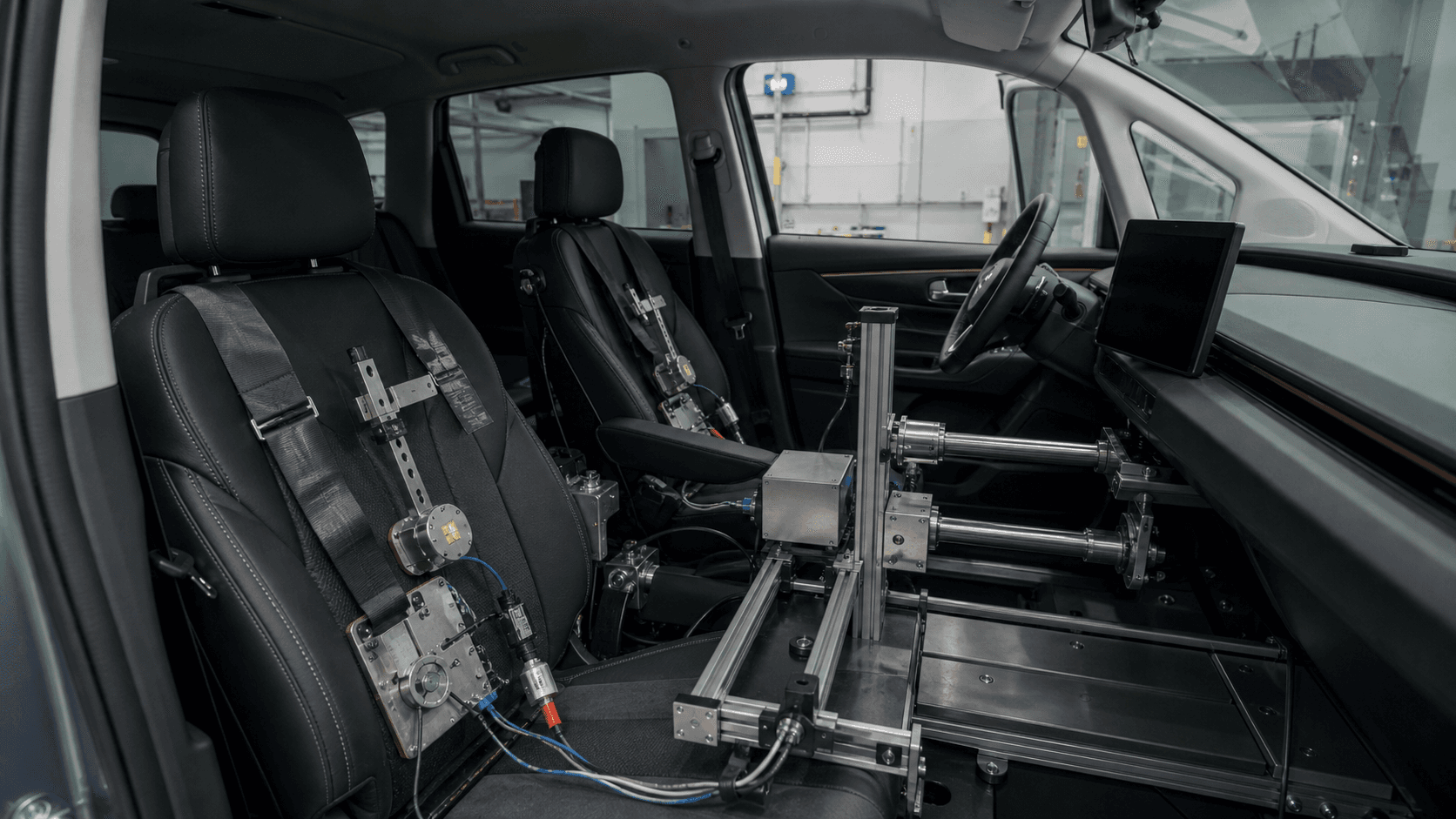
Robotaxi companies publish miles, collisions, interventions, and rider-safety claims. The people sitting inside test vehicles while the software learns have been much harder to see. A TechCrunch review of federal injury records found more than two dozen Waymo and Zoox test-driver injuries during 2024 and 2025 tied to hard braking and sudden vehicle movements.
Transdev, a Waymo contractor, reported 16 relevant injuries across three cities, with five in 2024 and 11 in 2025. Zoox records contained as many as eight. Some cases kept workers away from their jobs for weeks or months, including reported absences of 157 and 175 days. The injuries ranged from strains and pain to whiplash-like symptoms.
The dataset is useful and incomplete. OSHA's public establishment-specific records cover qualifying higher-hazard industries and generally require establishments with at least 100 employees to submit case-level information. Smaller operations can disappear from the view, contractor structures complicate attribution, and 2026 records are not yet due. The numbers establish documented cases, not a complete industry rate.
Waymo told TechCrunch its autonomous system is designed to avoid collisions and said safety-driving contractors receive training and support. Zoox said safety is important, that reported injuries represent a small percentage of operations, and that some hard braking is unavoidable in dynamic road conditions. The records do not settle whether robotaxis are safer than human drivers for the public. That is a different question with a different denominator.
They do reveal a measurement gap. Workers are part of the safety system during development, even when the product story treats autonomy as a machine-only achievement. If abrupt maneuvers are repeatedly injuring the people validating the technology, companies need to track that as a core performance metric. The future of mobility does not get safer by moving its early damage into a contractor spreadsheet.
LaunchPad positionThe records are incomplete and do not establish the overall road safety of robotaxis. They expose an occupational metric that deployment narratives rarely include: the human cost of absorbing edge cases during testing.
This report draws on the linked primary sources and reputable reporting. Company statements are treated as claims until independently demonstrated.