The shipping industry does not have the luxury of replacing every dirty asset with a clean one on a venture-capital timeline. Cargo vessels last for decades. Any serious decarbonization plan has to deal with the fleet that already exists.
Newlight is betting on a retrofit. The startup says its hydrogen hybrid energy system was installed on a 199-meter, 57,038-deadweight-ton Lomar bulk carrier and used during an 8,500-nautical-mile commercial voyage from Singapore to Ghana. The company reports that the system reduced fuel consumption by 24 percent, carbon dioxide emissions by 28 percent, and carbon monoxide emissions by 22 percent. It also announced a $9 million seed round.
Those performance numbers are company-reported and should not be treated as an independent certification. One voyage can establish technical credibility, but it does not settle long-term maintenance, hydrogen supply, crew workflow, safety, or performance across different engines and operating conditions. The next proof is repetition under measurement that shipowners, insurers, regulators, and financiers trust.
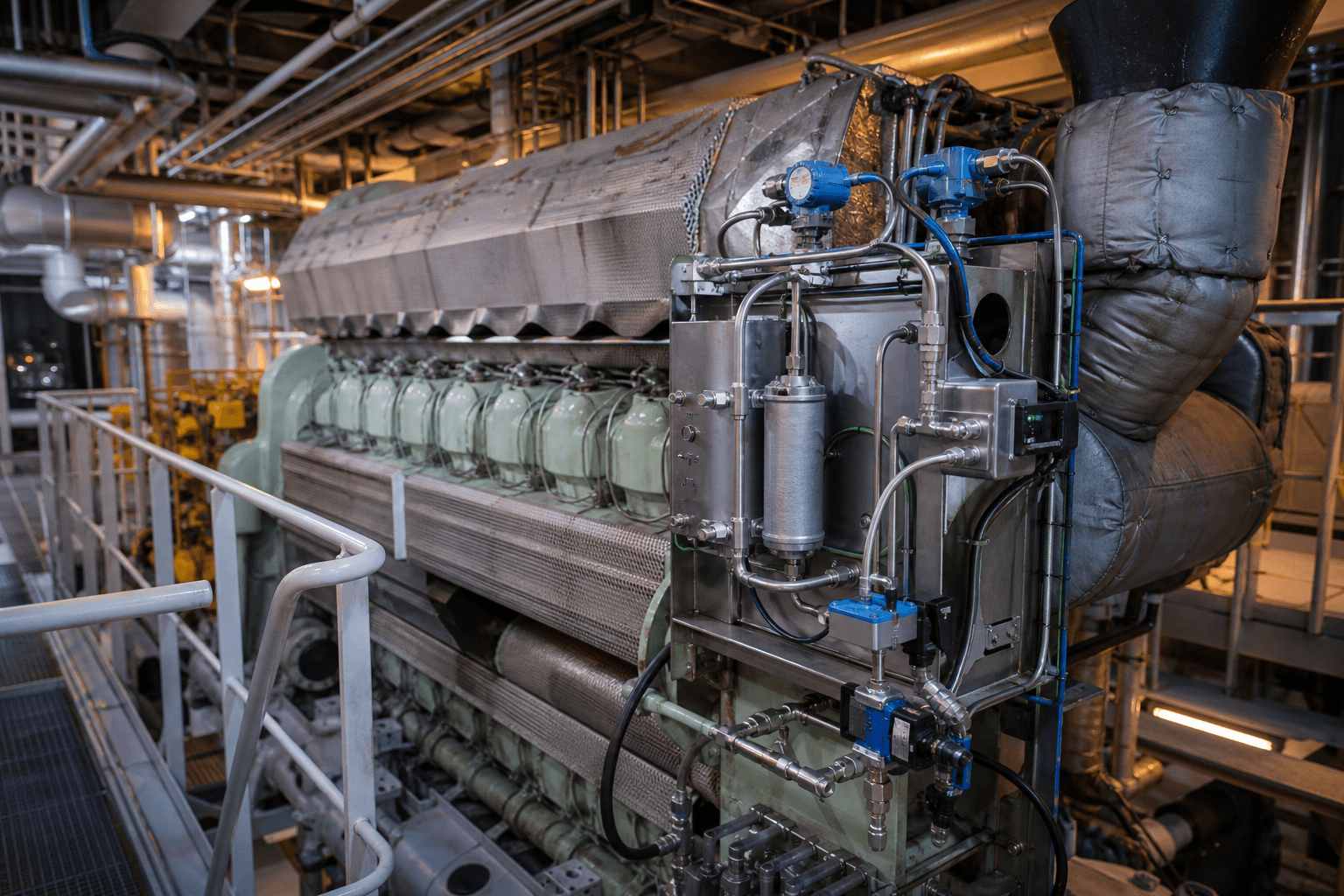
The mechanism is practical enough to be interesting. Newlight says the system monitors engine conditions and injects compressed hydrogen to improve combustion. The appeal is not that it turns an existing vessel into a zero-emission ship. It is that a retrofit can reduce fuel demand without waiting for new hulls, new ports, and an entirely new global fuel network to appear at once.
That distinction matters around the Space Coast and every other port economy. Maritime energy transitions are infrastructure transitions. A technology can look brilliant in an engine room and fail because fuel is unavailable, bunkering is painful, certification is slow, or operators cannot tolerate downtime. Retrofit economics have to survive the whole system.
Shipping needs moonshots, but it also needs improvements that can board the vessels already leaving port. If Newlight's reported gains hold across fleets and independent audits, the company will have found a useful wedge: make the installed base meaningfully better now, then let cleaner ships arrive without pretending 60,000 commercial vessels can be swapped out overnight.
LaunchPad positionThe maritime transition cannot wait for the global fleet to be replaced. Retrofit systems can matter if they produce repeatable, independently verified savings without disrupting vessel economics, safety, cargo capacity, or port operations.
This report draws on the linked primary sources and reputable reporting. Company statements are treated as claims until independently demonstrated.