A tariff can change a spreadsheet overnight. It cannot cast a motor, qualify a battery, or build a supplier base by Thursday. New U.S. duties on imported drone systems take effect September 3, turning supply-chain policy into an immediate purchasing decision for operators and manufacturers.
The presidential proclamation sets a 100 percent duty on drones above 25 kilograms, drones integrating thermal imagers, docking stations, and certain critical components. Smaller drones face a 25 percent rate. Another 25 percent duty on specified components is scheduled for February 9, 2027, while qualifying products from several trade partners can receive lower capped rates when their critical hardware and technology meet origin requirements.
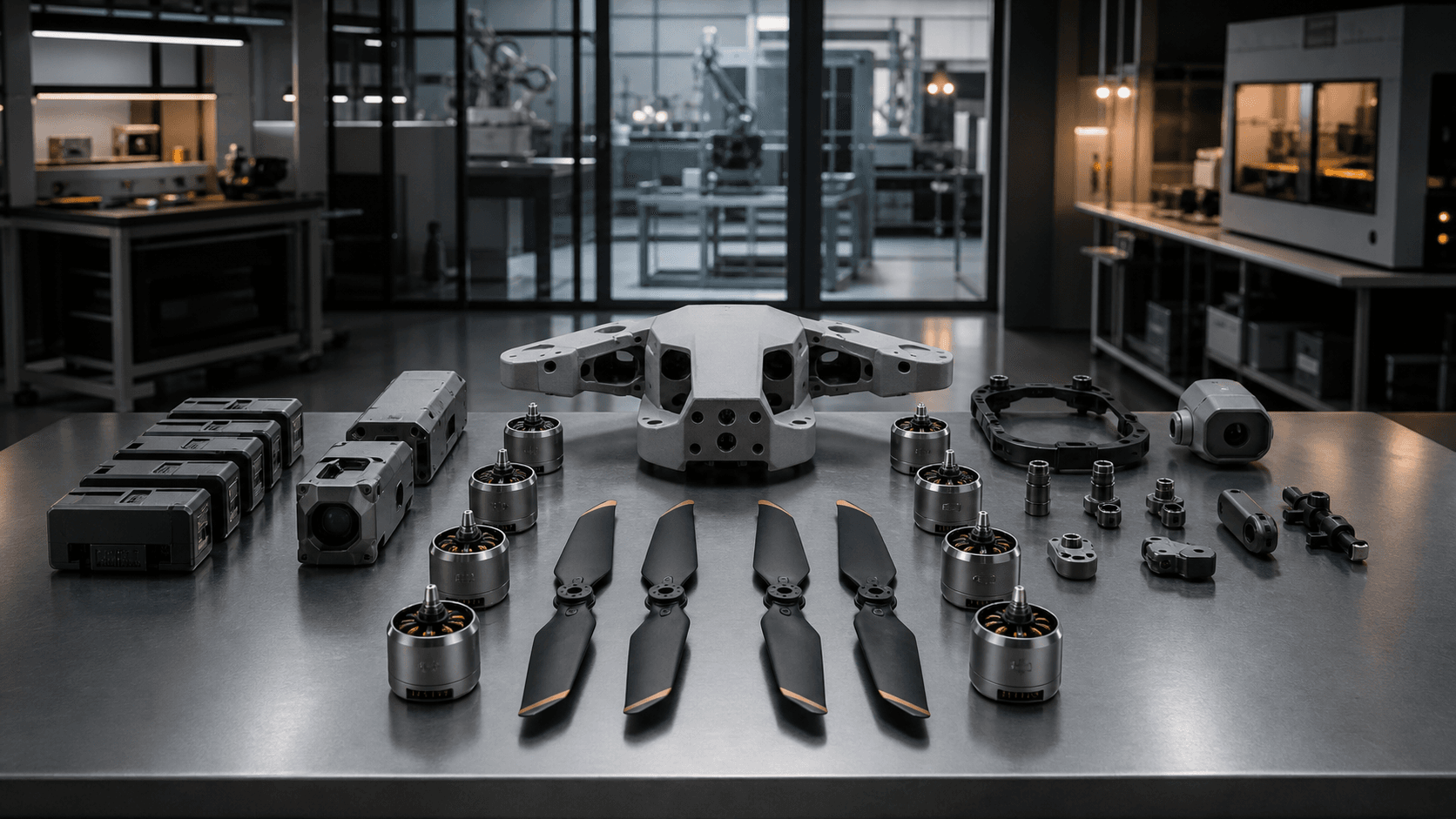
The national-security logic is explicit. The proclamation says many American drone makers still depend on foreign motors, electronic speed controllers, lithium-ion batteries, and docking stations. That dependence is the actual problem. Taxing the completed system may protect domestic pricing, but component exposure remains until somebody builds reliable alternatives at volume.
TechCrunch reports that the same scale gap is visible in humanoid robotics. Counterpoint data cited by the publication puts Chinese humanoid shipments at 22,000 units in the first half of 2026, with five Chinese manufacturers accounting for 86 percent. Those figures concern robots rather than drones, but the industrial mechanism is similar: volume lowers cost, field use produces data, and the loop compounds.
The policy also authorizes an onshoring program for companies committing to new U.S. production facilities. That is where success or failure will become measurable. Import barriers create time and margin. Manufacturing capacity converts them into leverage. If domestic suppliers do not use the opening to build the missing stack, the country gets more expensive drones without a more resilient drone industry.
LaunchPad positionThe rules can redirect purchasing and create room for domestic suppliers. They cannot instantly reproduce the manufacturing scale, component depth, or cost curve that made imported systems competitive.
This report draws on the linked primary sources and reputable reporting. Company statements are treated as claims until independently demonstrated.