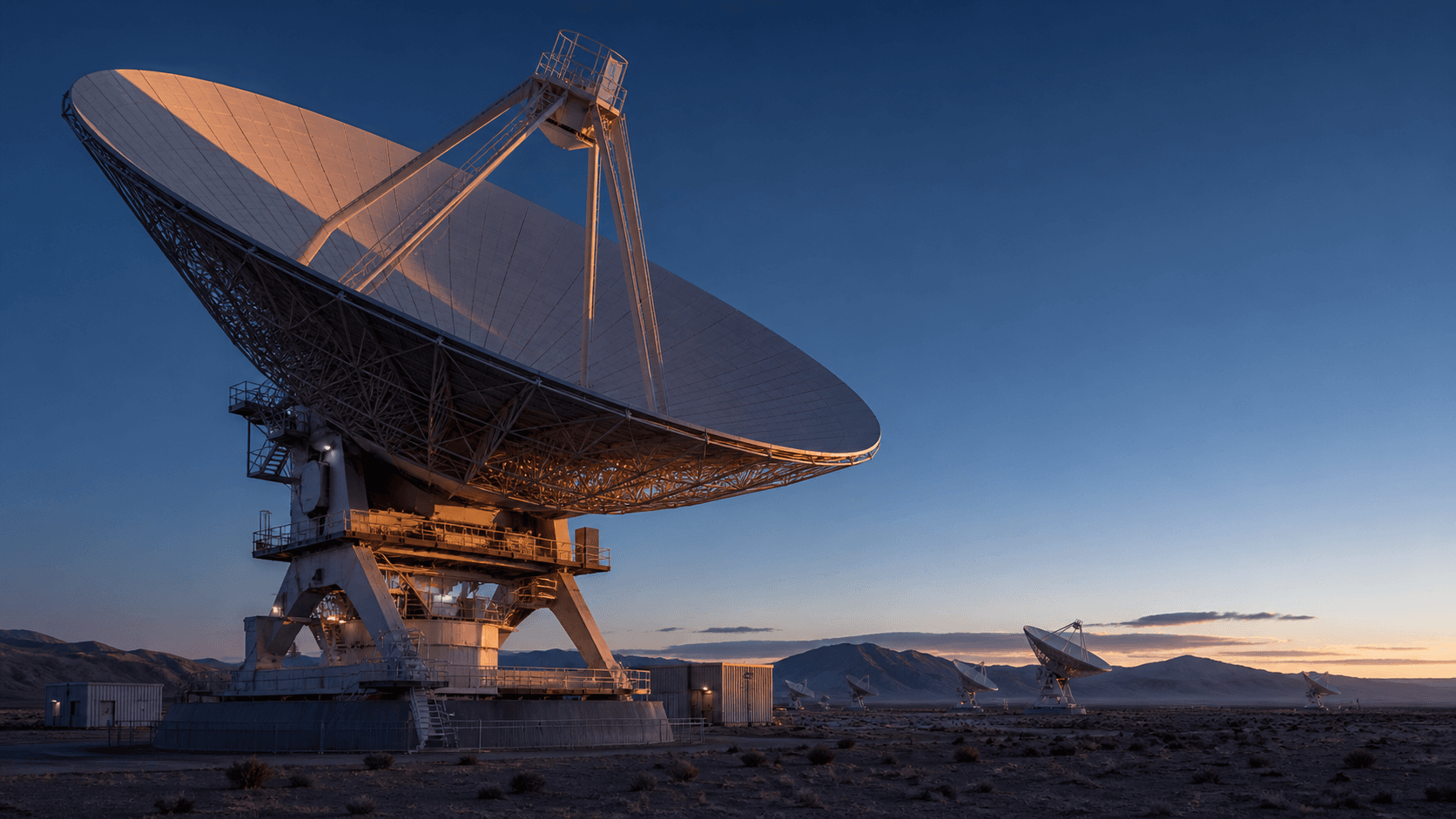
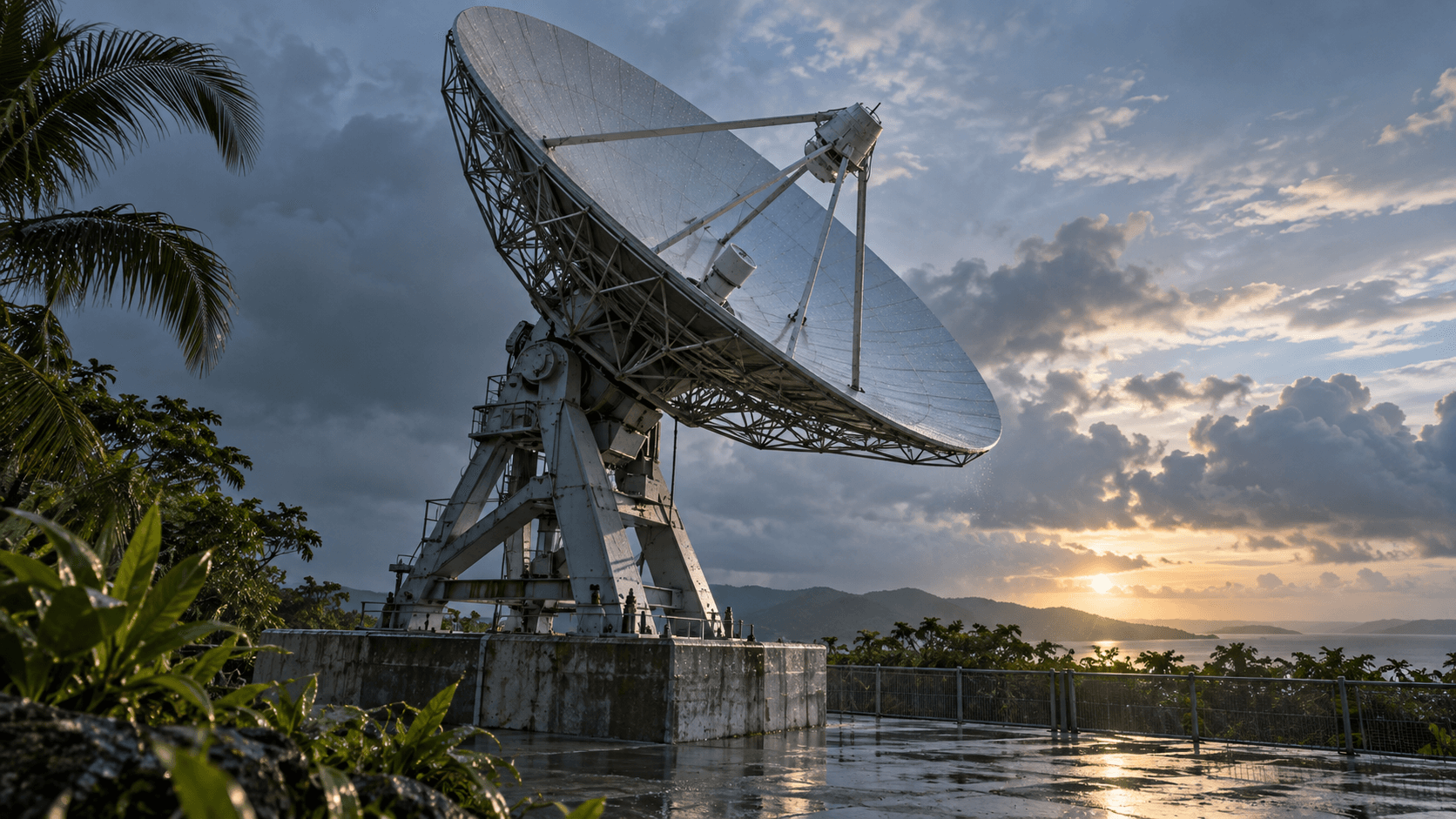
The central antenna returned in July after a phased recovery from Typhoon Mawar. The rebuild exposes the practical demands of keeping missions connected while NASA moves toward commercial relay services.
NASA selected a Falcon 9 rideshare for the gamma-ray mission no earlier than 2028. The value lies in linking a fleeting flash to the observatories measuring the rest of the event.
Three more SpaceX missions secure a defined transportation service. The harder work is preserving readiness, oversight and future access while the second-provider strategy remains incomplete.
The open release makes lunar observations easier to reuse. Its benchmark results, modeled ice targets and incomplete pretraining release show exactly where scientific judgment still has to lead.
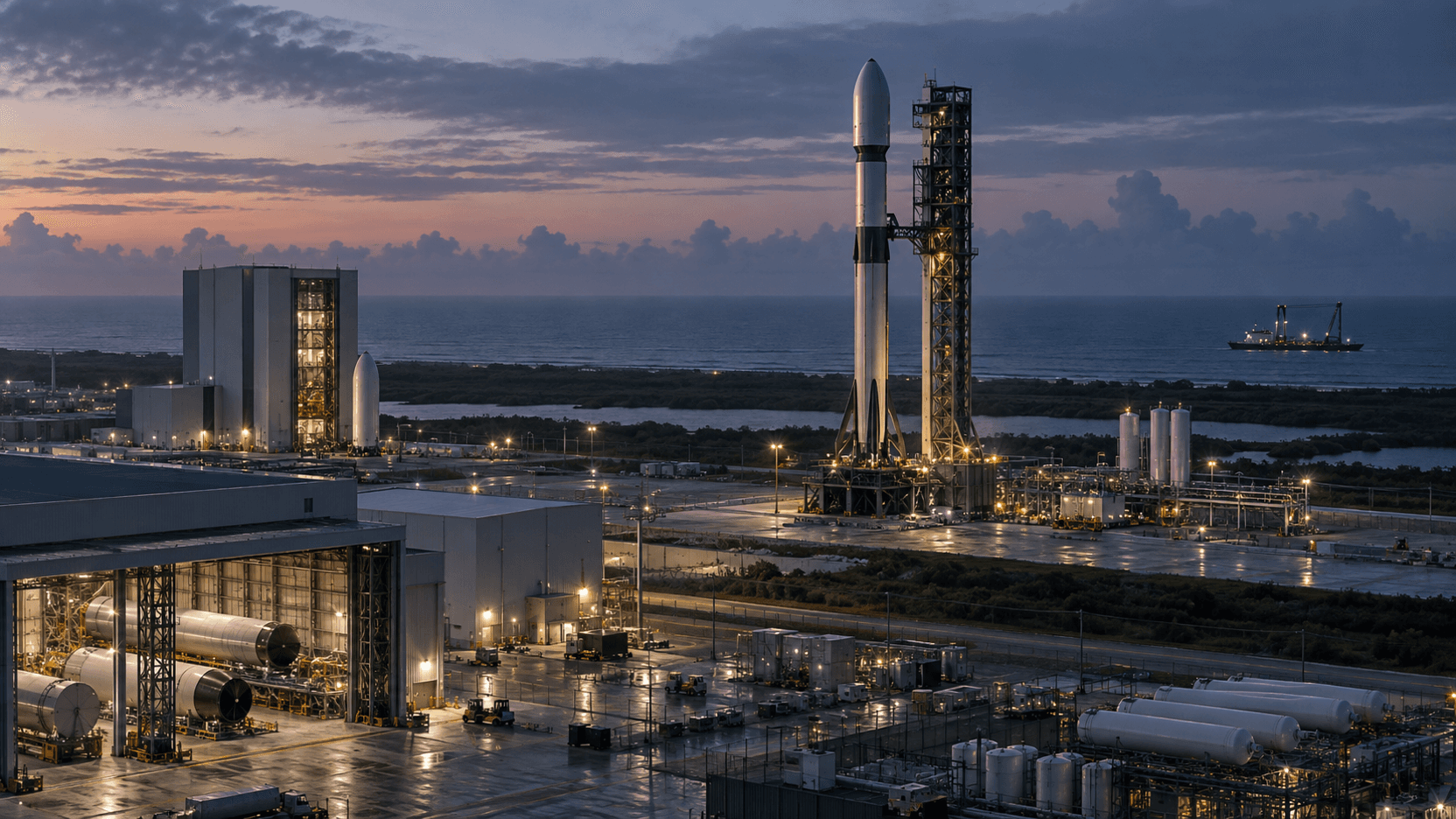
NASA has opened a procurement route for Relativity's Cape Canaveral rocket. Mission selection, certification, and the Florida industrial buildout remain distinct tests of execution.
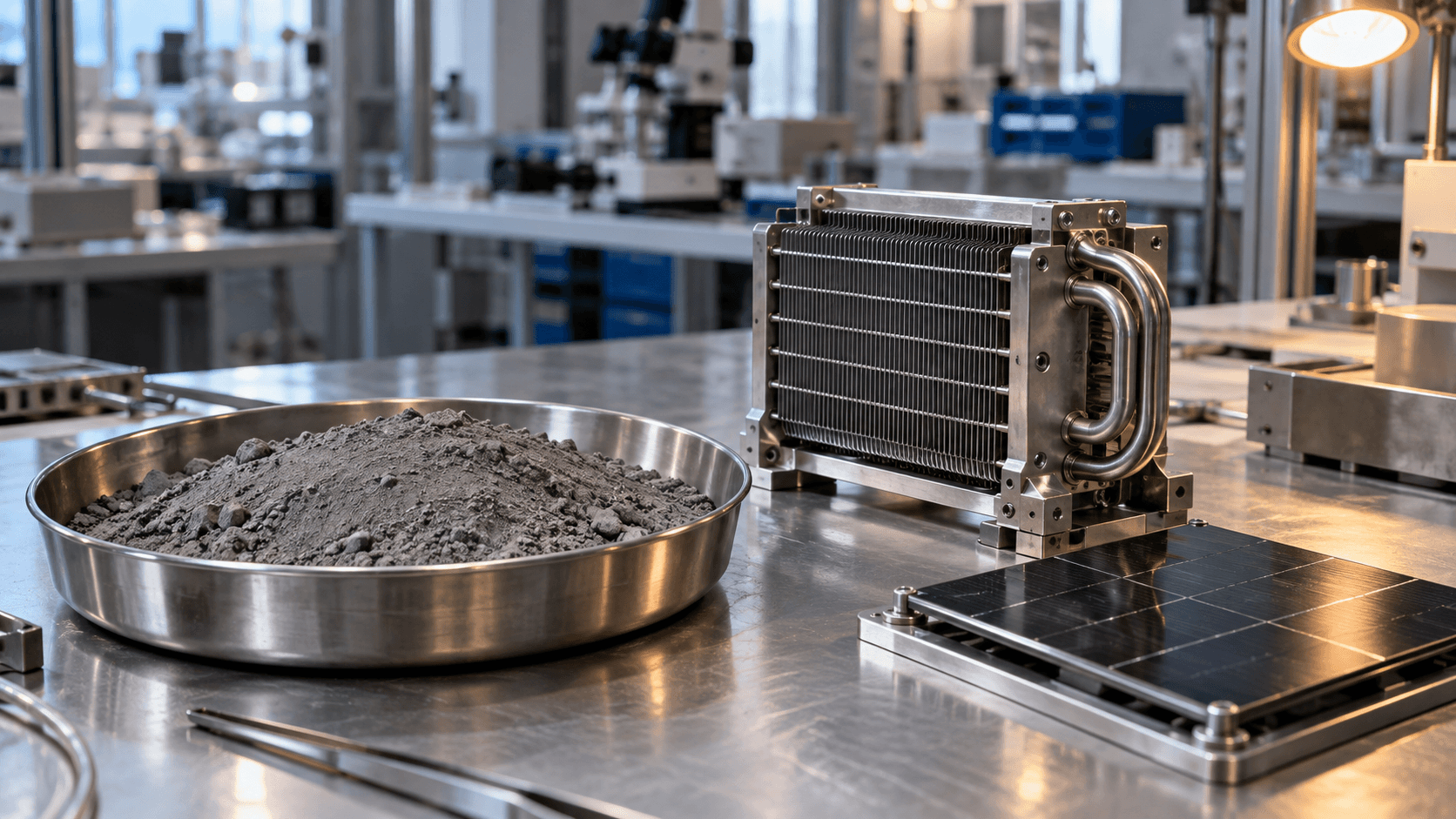
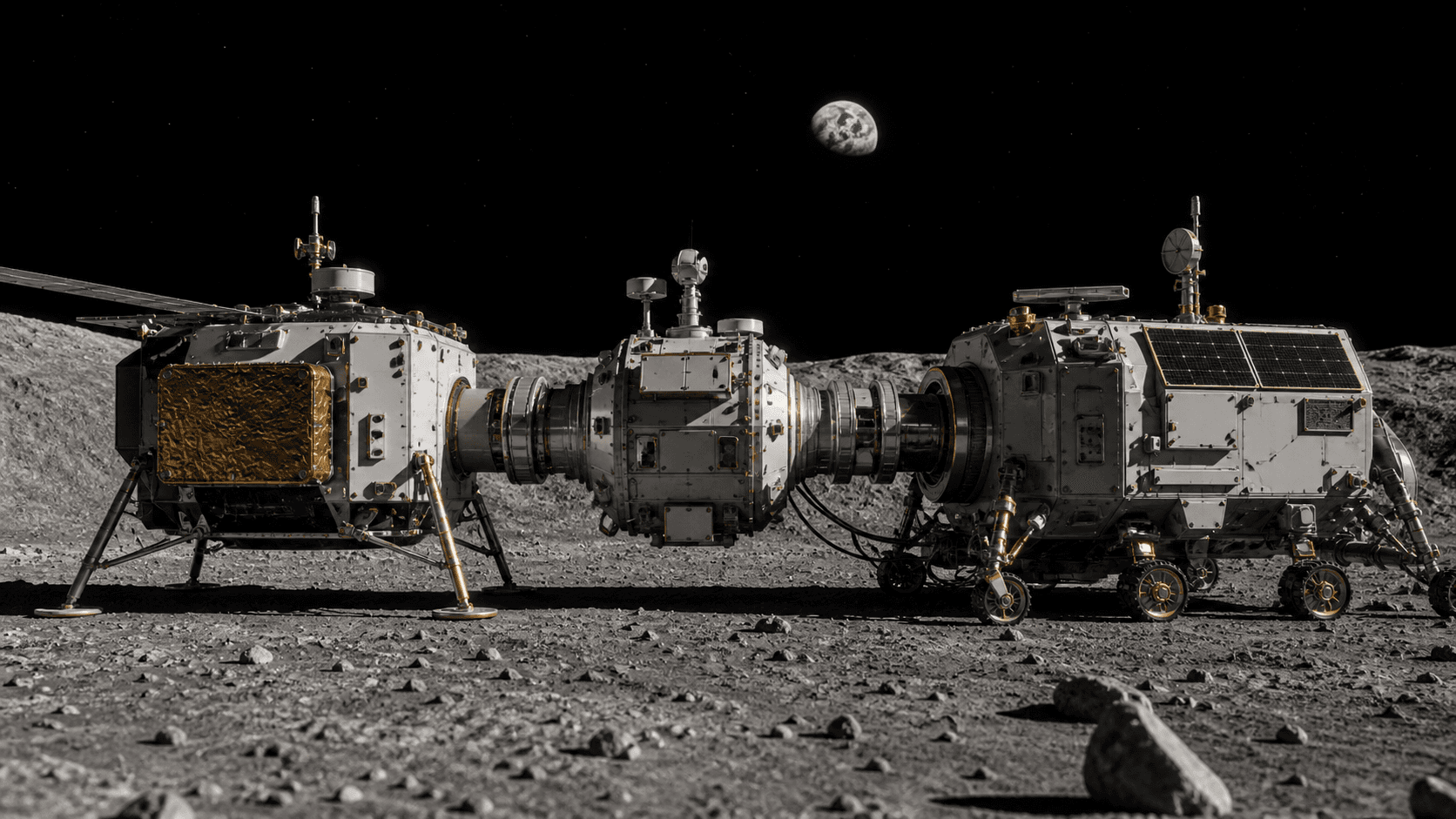
The final LEIA solicitation targets power, oxygen production, manufacturing, and materials. Its most important boundary separates promising technology from mission-ready infrastructure.
Nyx needs to demonstrate cargo delivery and return. Storm needs to prove propulsion for a launcher that still requires more capital. Those are related ambitions, not the same business milestone.
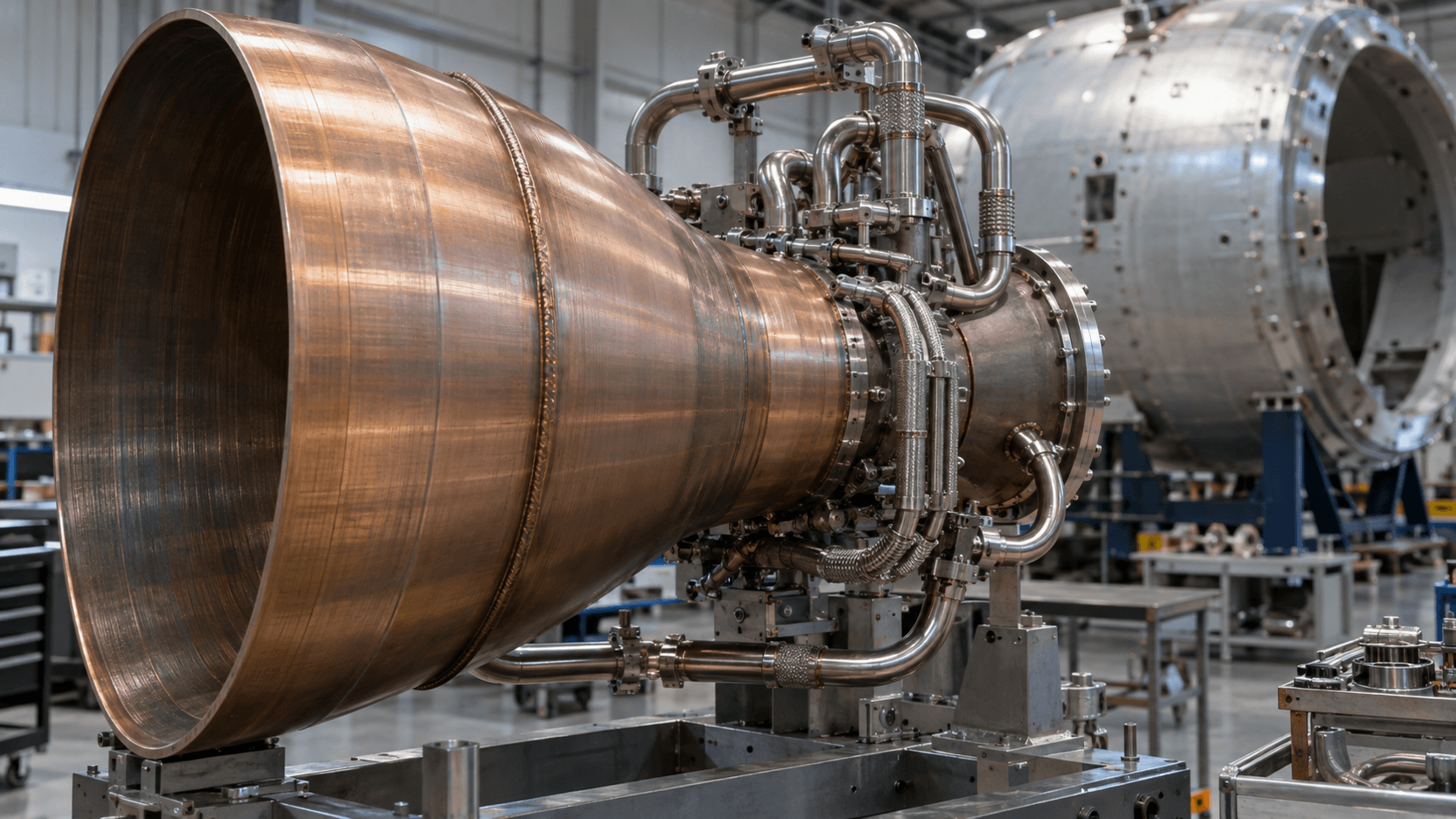
Stoke Space has completed an initial closing of a billion-dollar Series E before reaching orbit. The money is funding Nova Pathfinder, a larger Block 2 vehicle, and the industrial system required to prove that full reuse can become a business.
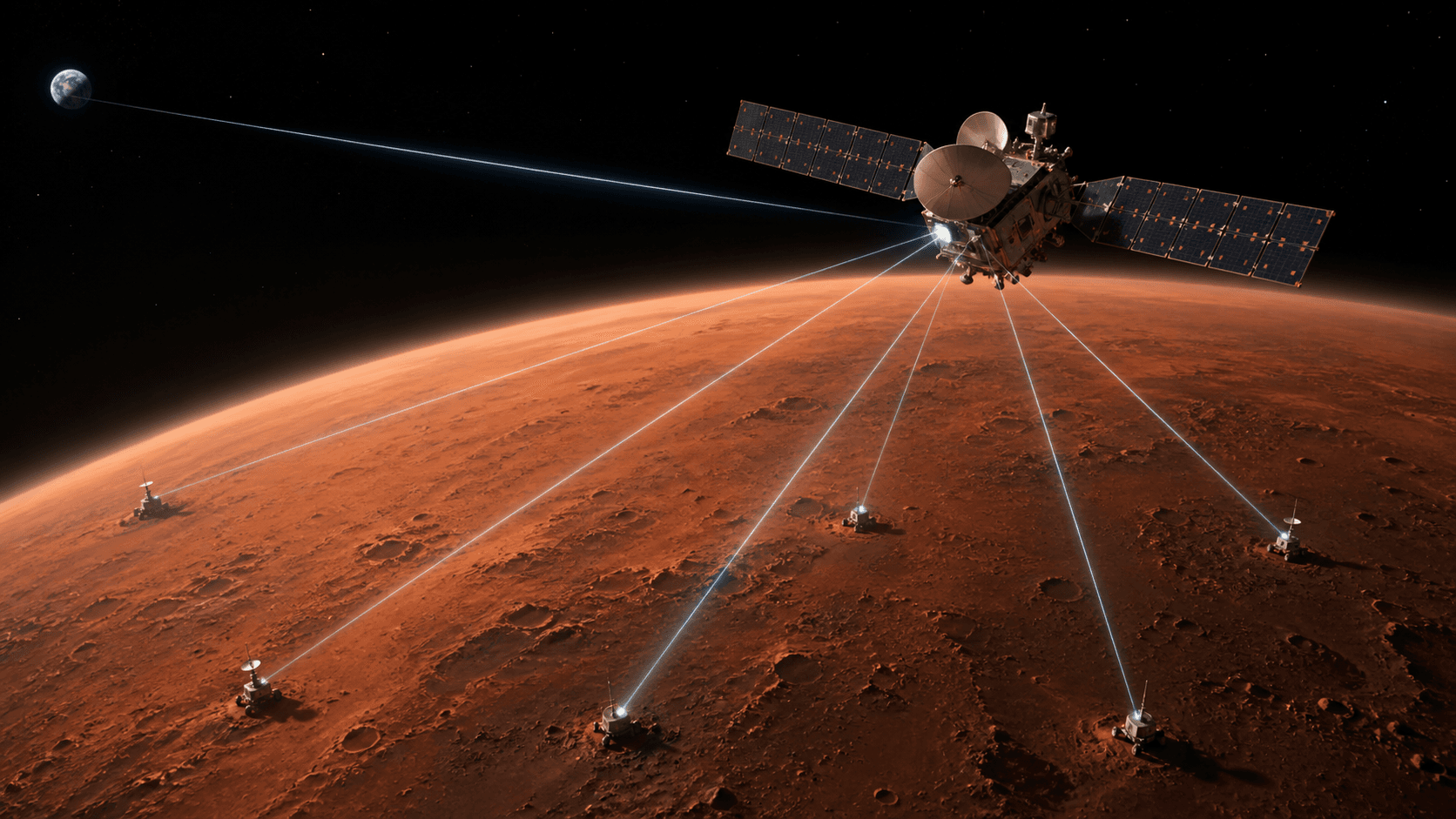
NASA has awarded Blue Origin a contract worth up to $700 million to build and operate a high-performance Mars telecommunications orbiter. The important part is not the spacecraft. It is the shift from one-off mission plumbing to shared infrastructure.
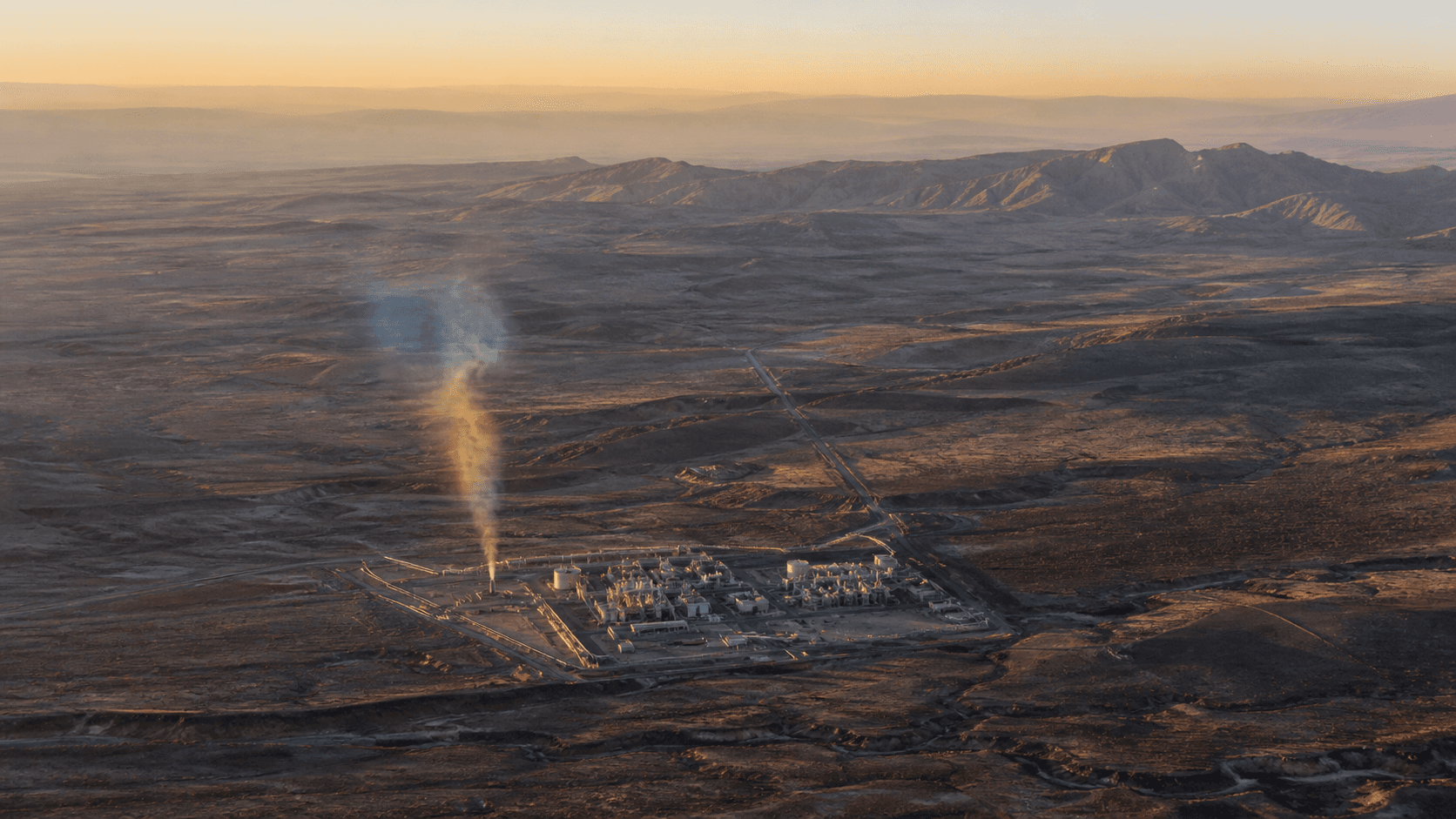
Google Research built a deep-learning system to detect and estimate methane plumes in NASA EMIT satellite data. The breakthrough is not prettier climate imagery. It is turning a manual hunt into a repeatable operating system for finding leaks.
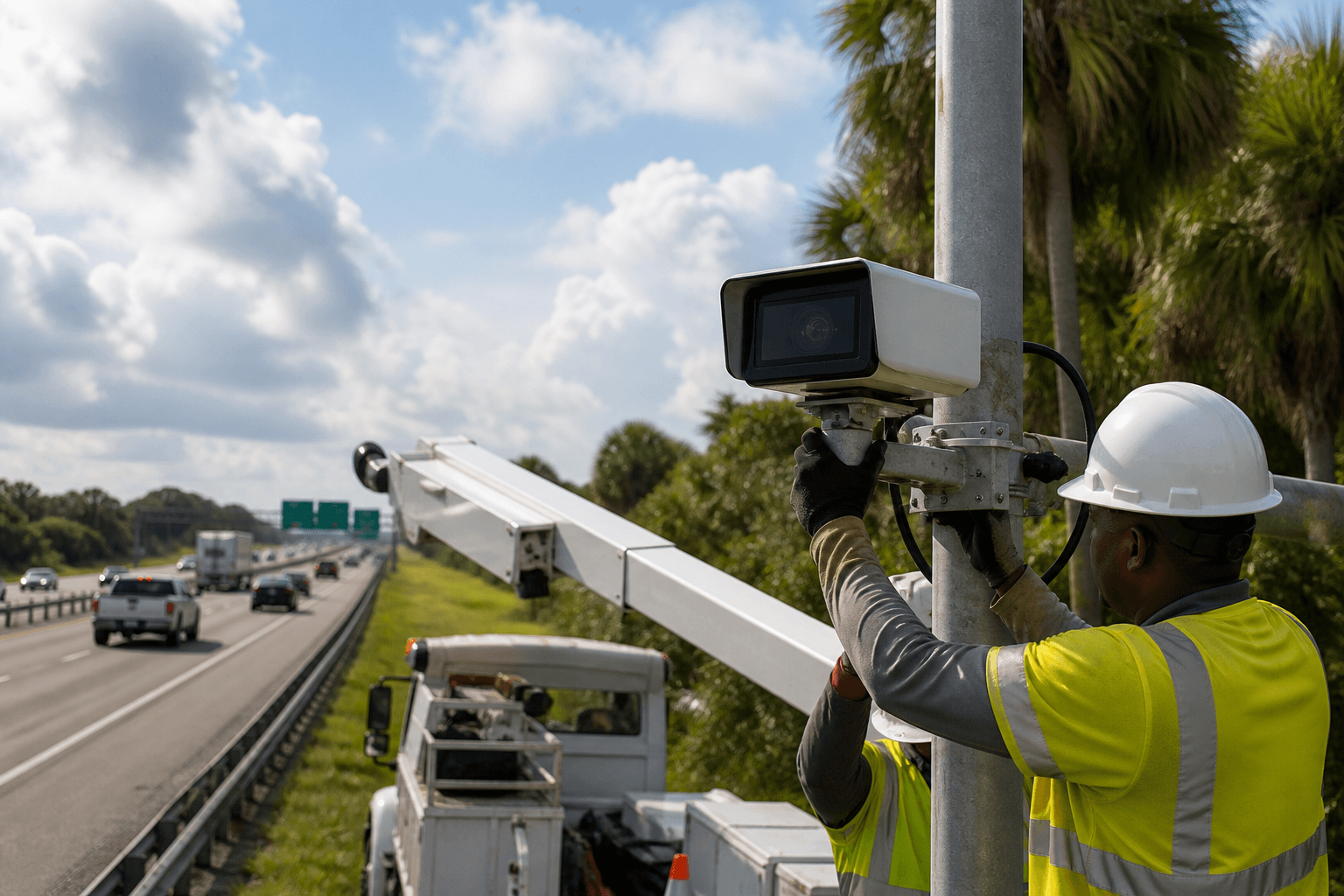
FDOT has revoked permits for automated license plate readers on state highway rights-of-way and ordered their removal within 30 days. That is a real constraint on surveillance infrastructure, but it is not a statewide ban on every camera.
Waymo has opened public service in Tampa, Denver, and San Diego, bringing its commercial footprint to 14 cities. The interesting milestone is not another map pin. It is the operating system required to make three launches feel routine.
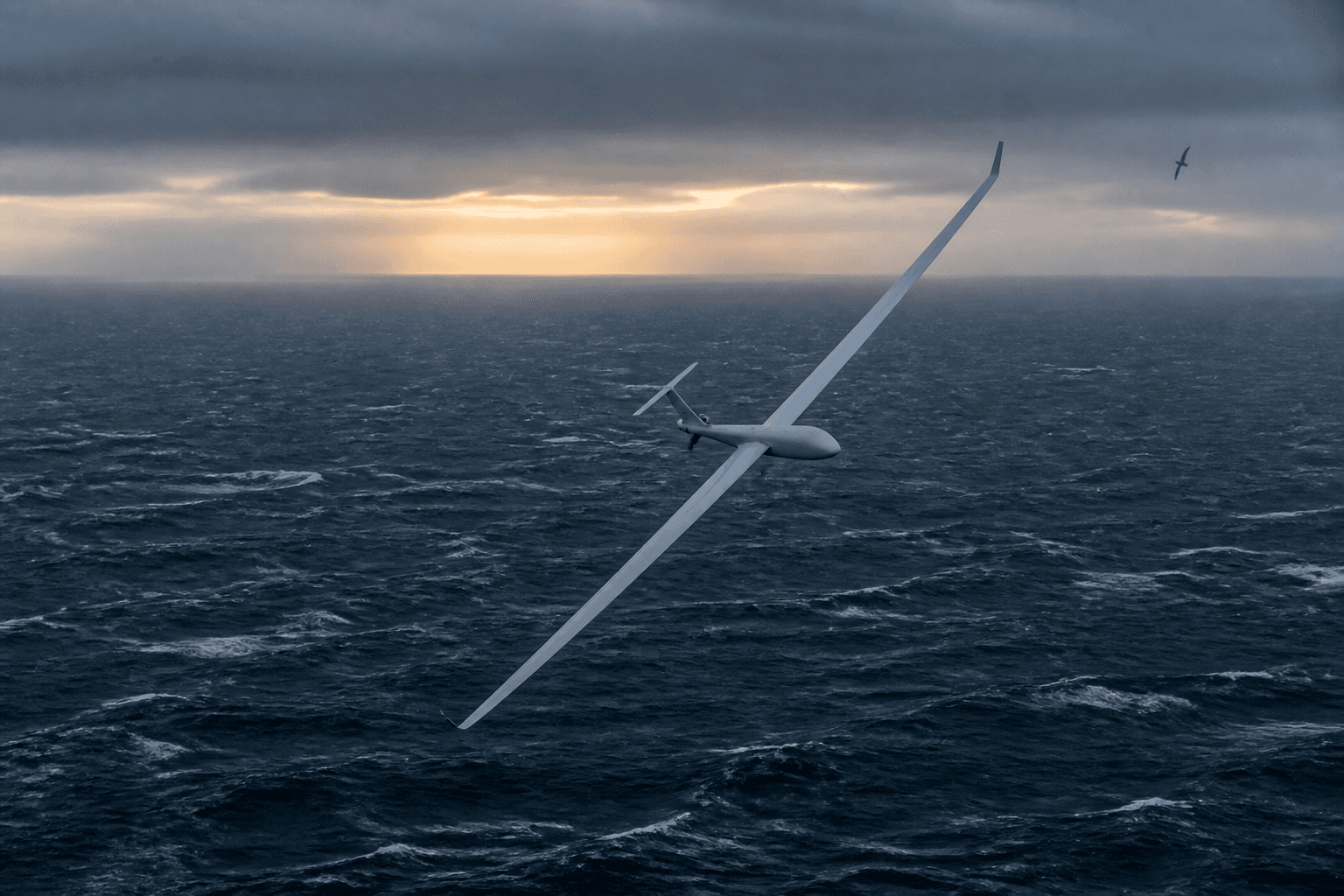
Alteon has raised $2.5 million to pursue autonomous aircraft that harvest energy from ocean wind through dynamic soaring. The 417-day vision is useful. The next milestone is much smaller and far more important.
Turkiye became the 71st country to sign the Artemis Accords as it prepares its first lunar mission. The document is not a launch contract, but the coalition is defining how partners expect lunar operations to behave.
Researchers found that the November 2025 superstorm produced positioning errors above ten meters across the continental United States. Space weather is an infrastructure problem when machines depend on precision.
The telescope is on its way to L2 after a clean Falcon Heavy deployment. Launch risk is behind it, but commissioning, calibration, and a 1.4-terabyte daily data stream are the mission now.
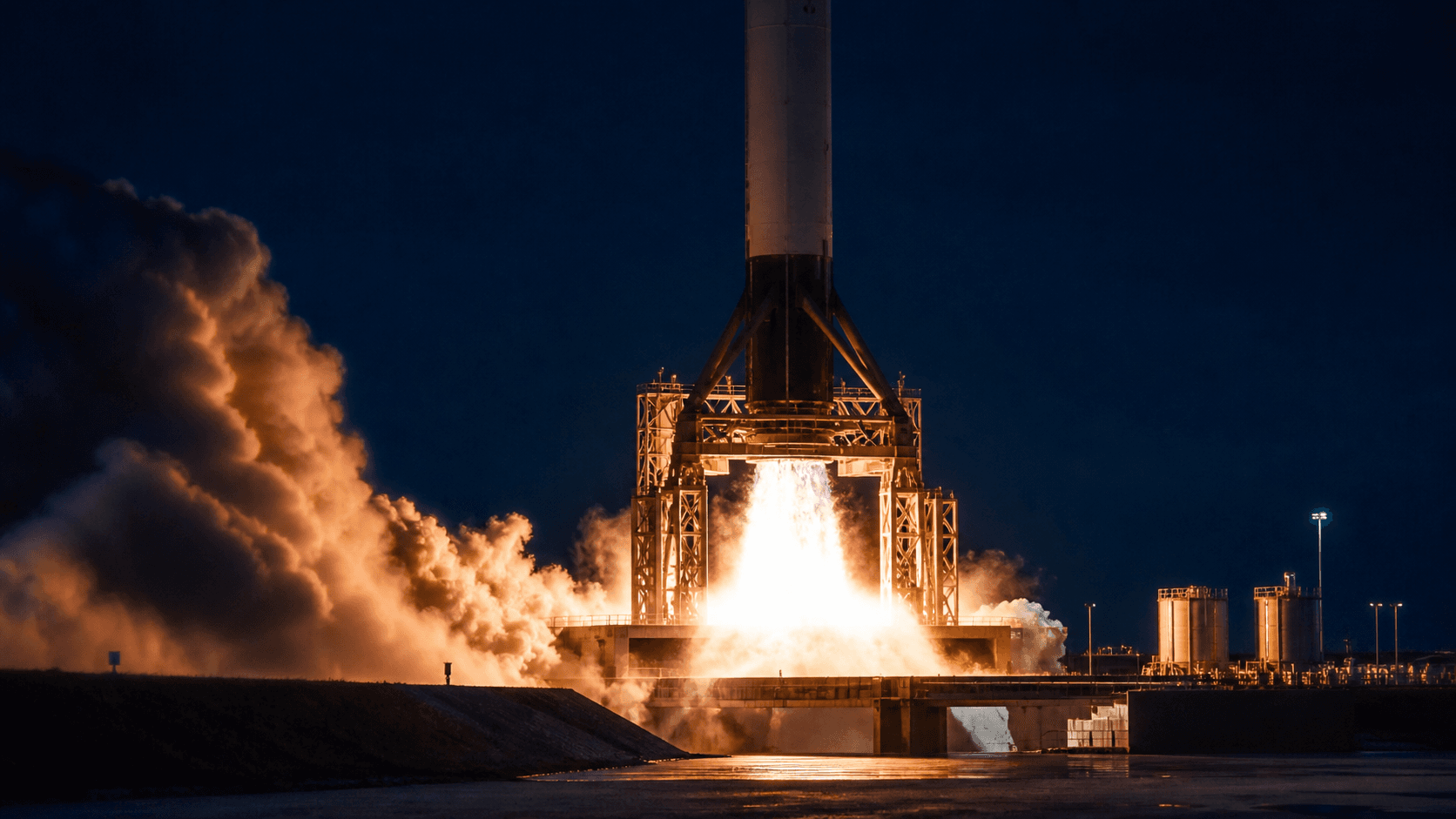
SpaceX completed a full-duration 33-engine static fire for the Flight 14 booster. The test retires one risk. It does not pre-approve the first orbital mission.
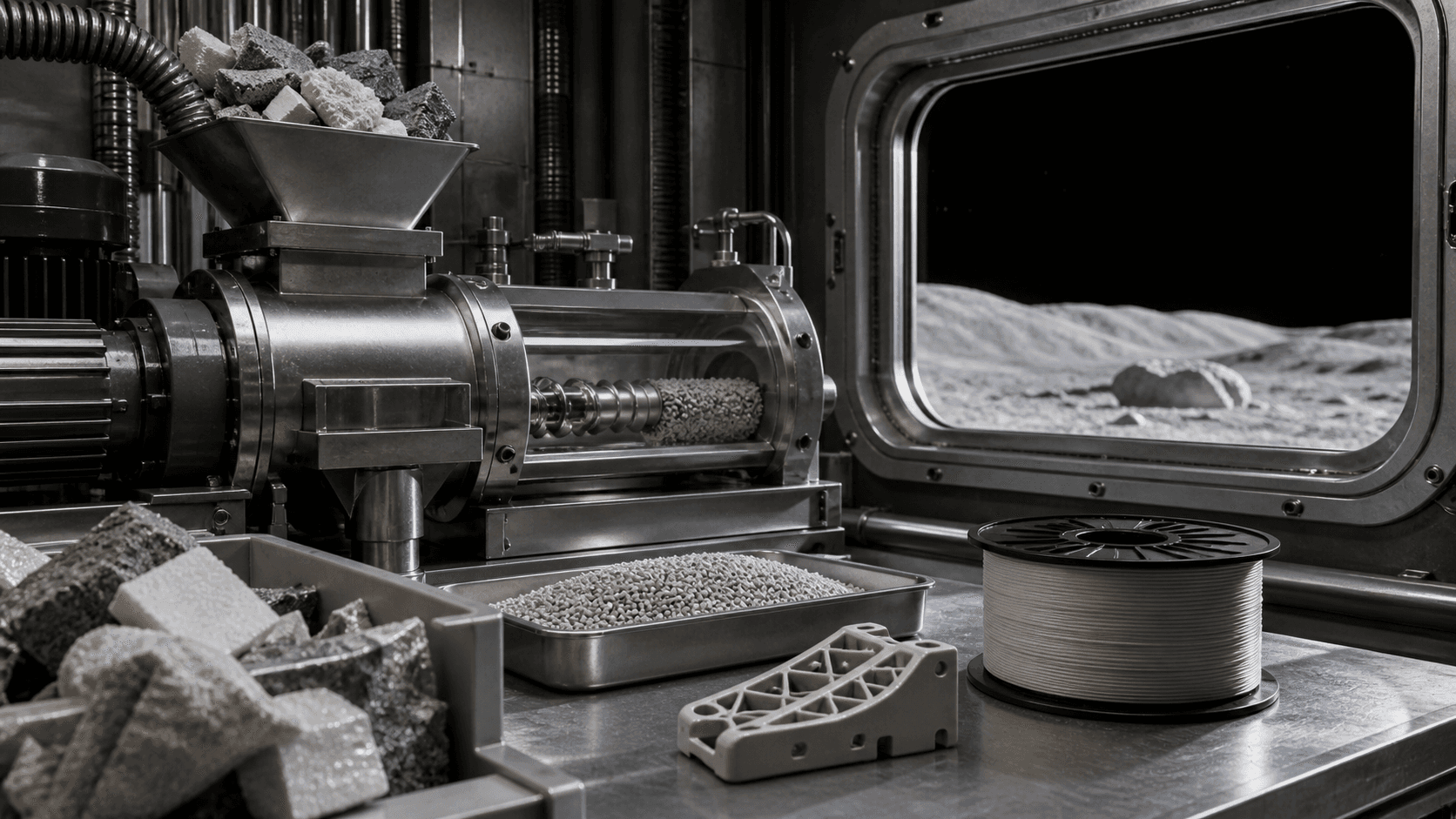
NASA's LunaRecycle challenge just rewarded a system that turns mixed mission waste into molding feedstock and printing filament. The real signal is not recycling theater. It is local manufacturing economics beyond Earth.
Pandora has begun science observations designed to separate exoplanet atmospheres from the changing surfaces of their host stars. Better discovery starts with knowing which signal is lying to you.
NASA restarted two instruments on the aging Swift observatory after a commercial servicing spacecraft lost the ability to perform the planned boost. The telescope gets one more science window. The servicing industry gets a much harder lesson.
An executive order created a commission to design a NASA-led federal academy. It did not create the school, fund a campus, or enroll a class. The 120-day report is where the workforce idea either becomes an institution or dissolves into ceremony.
ESA signed milestone-based contracts with RFA, PLD Space, and Isar Aerospace. The money is real. So is the requirement to achieve an orbital launch before 2028.
MTG-I2 reached orbit on Ariane 6 and completed the first three-satellite family. After commissioning, it is designed to refresh imagery over Europe every 2.5 minutes.
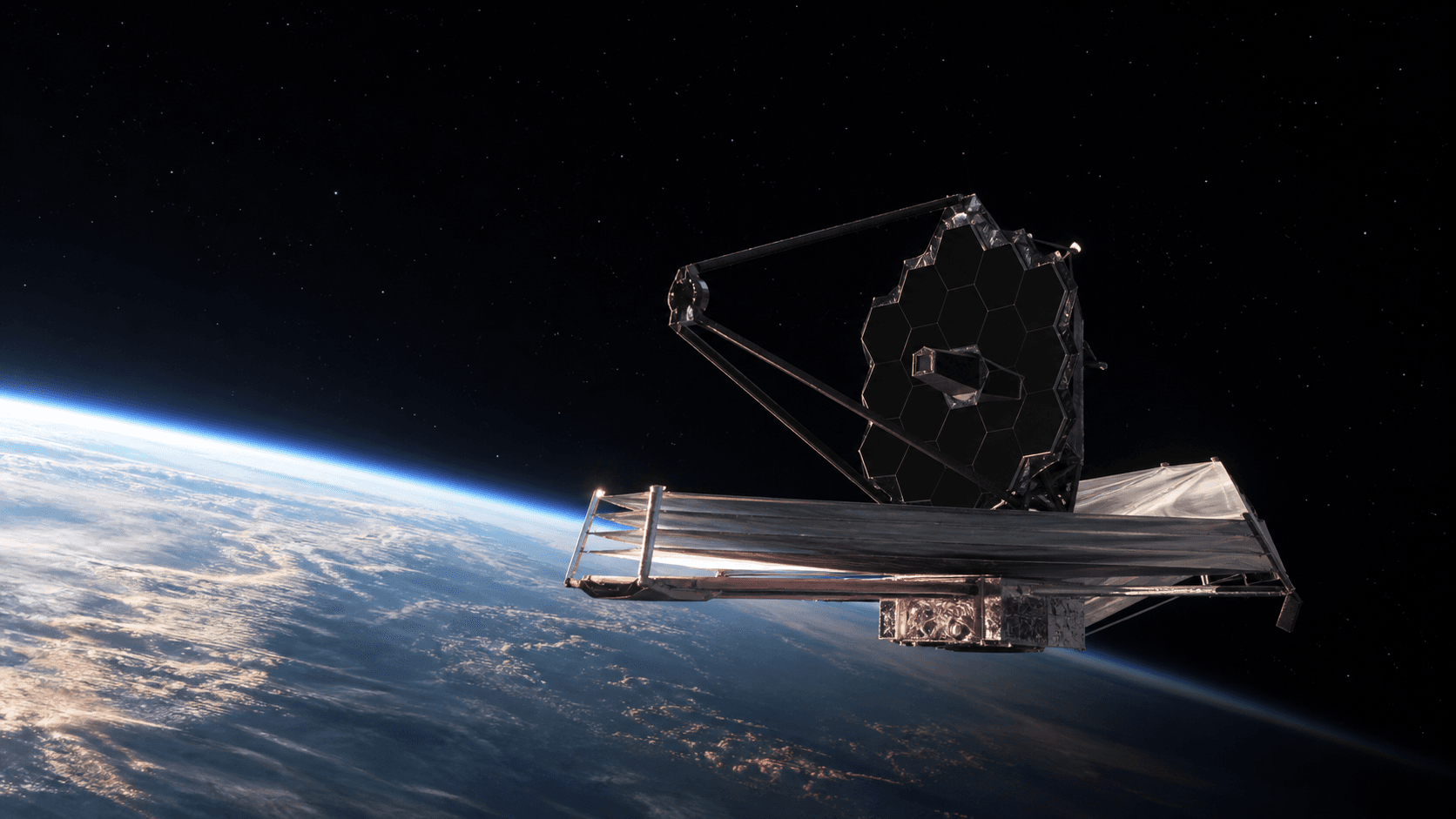
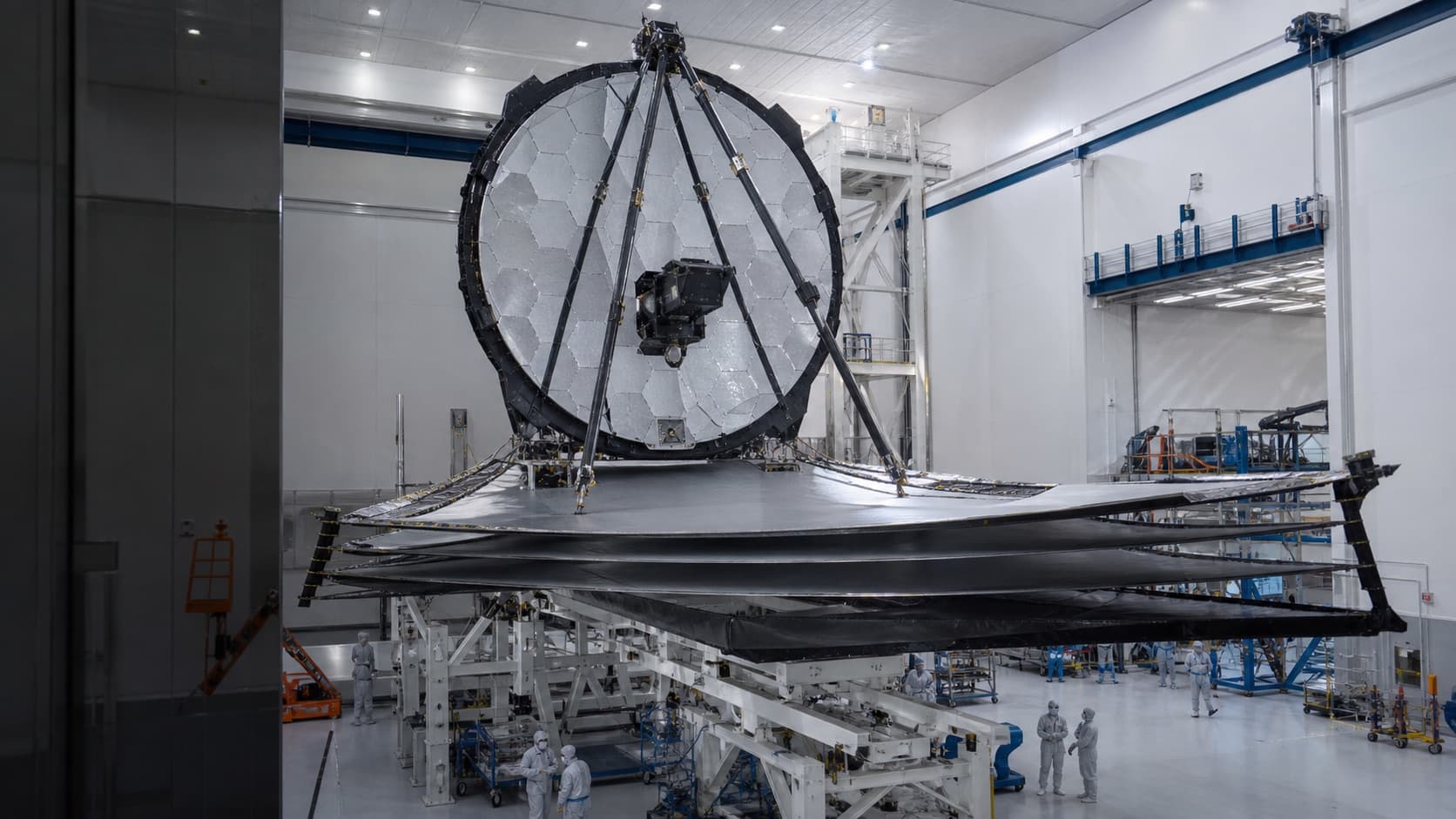
NASA’s next flagship observatory cleared its flight-readiness review for an August 30 launch. The real achievement is a system built to turn an absurd volume of sky into useful science.
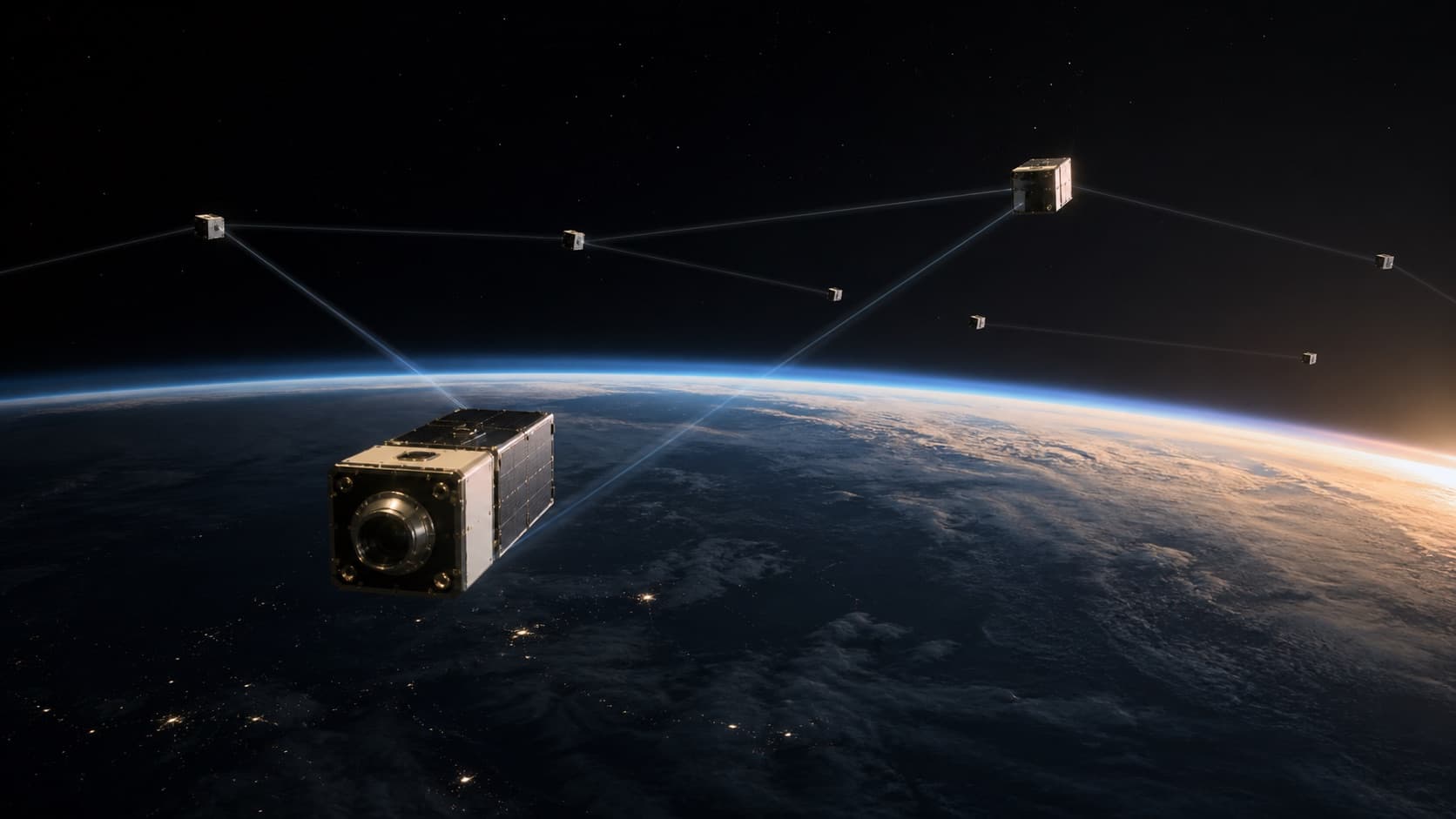
IonQ says its Skyloom subsidiary now has 84 optical terminals installed on orbit. Quantum gets the headline. The communications layer may reach strategic relevance first.
Lonestar Data Holdings contracted Ares Shield to protect proposed off-Earth data infrastructure with high-power microwave technology. We have officially reached the armed-server-rack phase of cloud computing.
Deep Space Station 23 is now operating at Goldstone. The 34-meter antenna is less glamorous than a spacecraft and more useful to every mission that needs to phone home.
 01
01