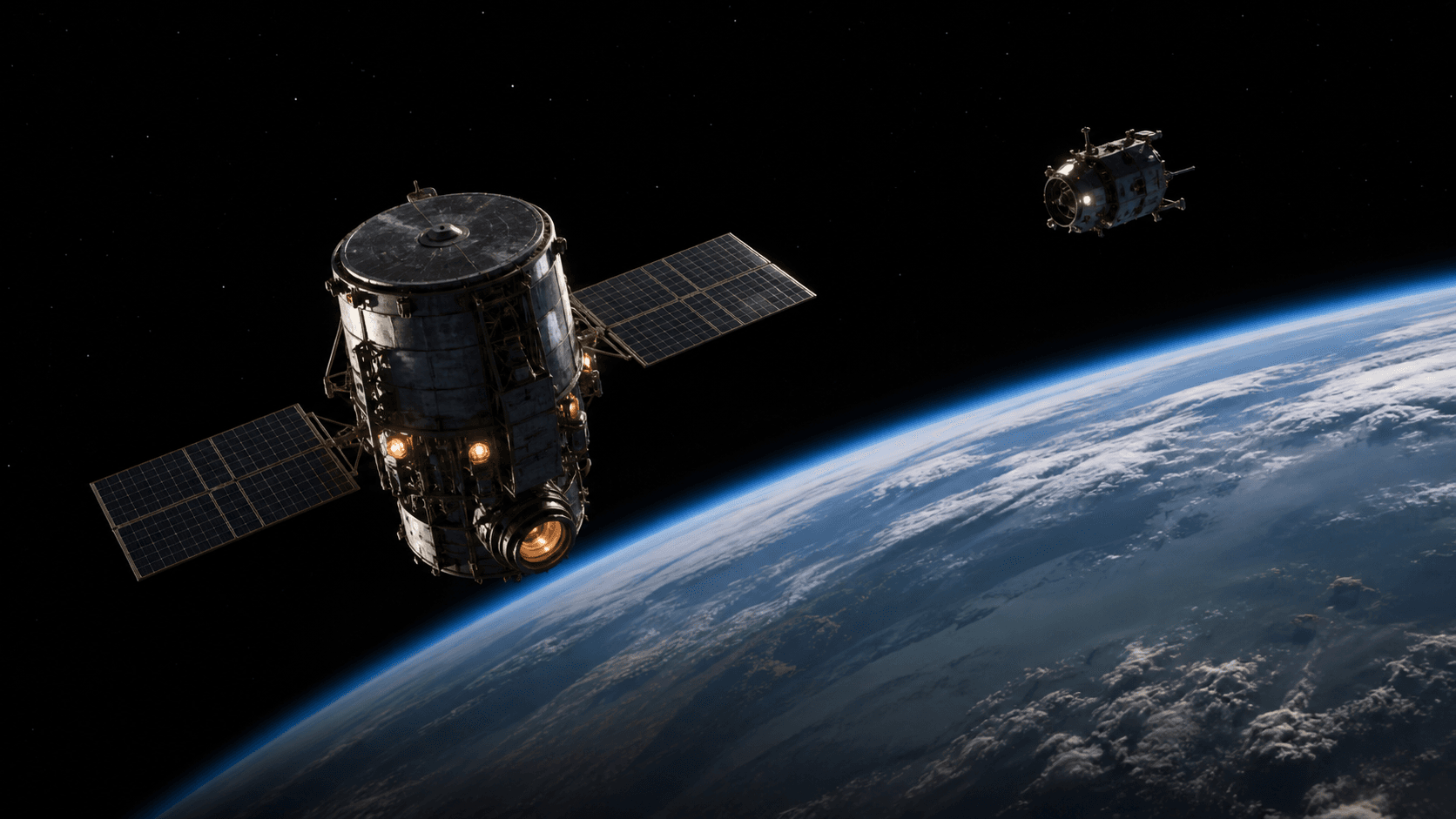
NASA's Swift observatory is doing science again because the rescue plan did not work. That sounds backward until you understand the clock. The telescope is descending, the servicing spacecraft cannot perform the boost, and every remaining orbit now has to earn its keep.
NASA restarted Swift's ultraviolet and optical telescope and its X-ray telescope on August 26. A third instrument, the Burst Alert Telescope, remains off while the team works to restore data collection. The instruments had been shut down or constrained to reduce drag and preserve altitude for a commercial mission designed to grab the observatory and lift it higher.
Katalyst Space built and launched the LINK servicing spacecraft on an accelerated schedule after NASA awarded the effort in 2025. LINK reached orbit in July, then developed attitude-control problems. NASA and Katalyst concluded on August 19 that the vehicle would not attempt to capture or boost Swift. The company still plans a rendezvous and proximity-operations demonstration.
This is not a successful rescue with a smaller bonus mission attached. The primary objective is gone. Swift has no propulsion system to counter atmospheric drag, and increased solar activity made the upper atmosphere denser than expected. NASA now anticipates the observatory will fall below 300 kilometers within one to two months, a threshold where operations become difficult and descent accelerates.
The remaining demonstration still matters. Rendezvous with an unprepared, aging target is hard. Proximity data can improve navigation, relative sensing, autonomy, and operating procedures for later missions. But the industry should resist turning every partial result into a victory. Servicing becomes credible when the client spacecraft leaves with more capability or more life than it had before.
Swift also exposes a design problem stretching across the current satellite fleet. Many valuable spacecraft were built as sealed missions. They lack standard grapple points, serviceable modules, cooperative navigation aids, and clean interfaces for another machine to take control. Every rescue then becomes bespoke surgery performed at orbital speed.
The next move is to treat serviceability as infrastructure, not heroics. Standard mechanical fixtures, shared navigation protocols, replaceable components, and clear failure states could turn a desperate one-off mission into a repeatable market. Swift may still collect important science on the way down. Its harder contribution may be teaching the next fleet how not to need a miracle.
LaunchPad positionIn-space servicing will become real through missions that expose where autonomy, attitude control, interfaces, and schedule assumptions break. The next generation of spacecraft should be designed for rescue before rescue is required.
This report draws on the linked primary sources and reputable reporting. Company statements are treated as claims until independently demonstrated.