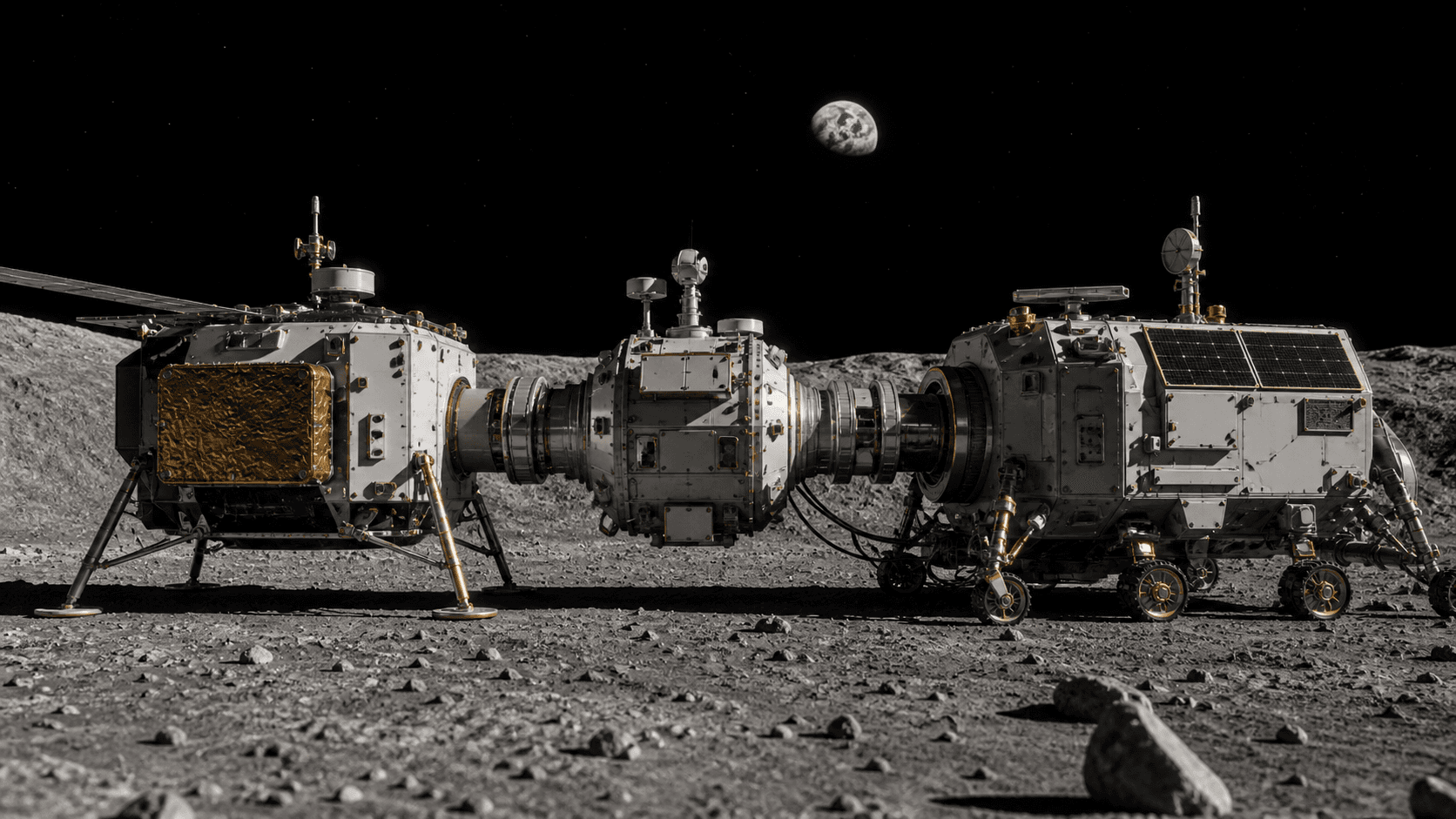
Space governance rarely arrives as one grand treaty everybody loves. It arrives as the operating assumptions enough serious participants begin designing around.
Turkiye signed the Artemis Accords at NASA Headquarters on August 31, becoming the 71st participating country. NASA says the country is preparing AYAP-1, its first lunar mission, after sending its first astronaut to the International Space Station in 2024 and a second astronaut on a suborbital research flight that year.
The accords are not a defense alliance, a launch reservation, or a guaranteed NASA contract. They are a political commitment to principles including peaceful and transparent exploration, emergency assistance, open scientific data, registration, interoperability, heritage preservation, debris mitigation, and coordination to avoid harmful interference.
That sounds soft until hardware has to share a hostile environment. Lunar operators need compatible communications, predictable safety practices, clear registration, and a way to coordinate activity around scarce landing zones and resources. A coalition that agrees on those expectations can lower the transaction cost of building missions together even without a global enforcement body.
The next proof is implementation. NASA has invited signatories to contribute hardware, scientific payloads, technology demonstrations, and CubeSats to future missions, but participation remains an opportunity rather than a completed deal. If Turkiye converts the signature and AYAP-1 into interoperable capability, it moves from joining the conversation to helping define how the lunar economy actually works.
LaunchPad positionThe accords are gaining power through adoption rather than enforcement. As more countries build lunar hardware, the coalition's expectations can become the practical standard partners must satisfy to work together.
This report draws on the linked primary sources and reputable reporting. Company statements are treated as claims until independently demonstrated.