Google's new laptop lineup is open for preorders. The meaningful test is phone continuity, app compatibility and the cost of useful assistance after the introductory offers end.
The open Nemotron recipe exposes the training data, search process and compute behind its reported Olympiad result. It also shows why agreement between model judges is not the same as proof.
Claude did not invent a new proof of Fermat's Last Theorem. It turned a known mathematical route into 13 million lines of machine-checkable Lean in 11 days, exposing the real frontier: agents that can coordinate, verify, and build on one another's work.
A new benchmark evaluates eight frontier models across 300 tasks in seven open-source mobile apps. Performance drops as state, navigation, and multi-step complexity begin to resemble actual work.
Version 3.4.1 can train shared trees with vector-valued leaves for multiclass and multi-output problems. The result is a smaller model when outputs share structure, with a real tradeoff when they do not.
Hy4 Preview activates 49 billion parameters inside a 770-billion-parameter system and reaches beyond one million tokens. The sharper claim is that the model helped optimize parts of its own training stack.
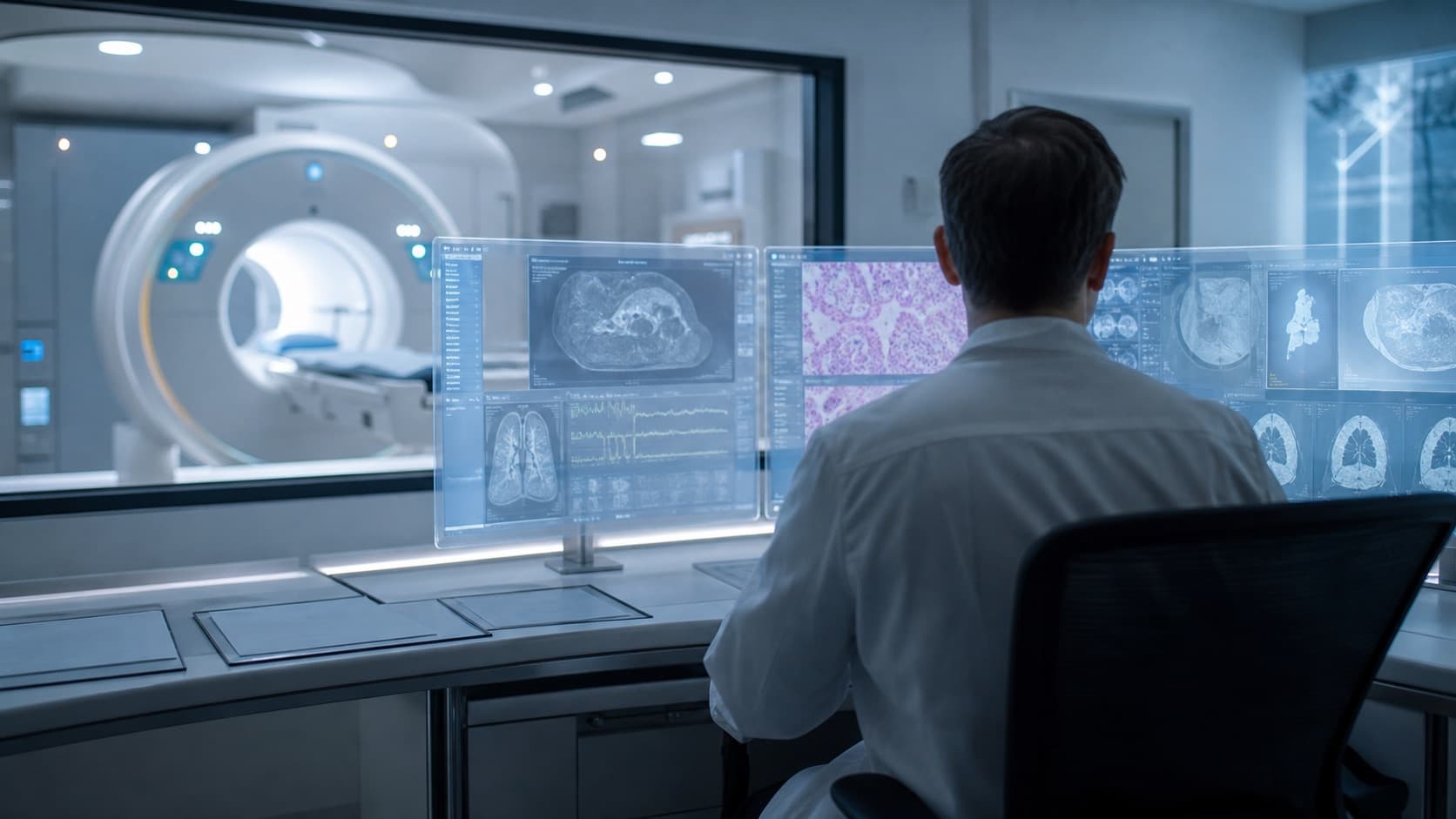
Pew found that 34 percent of Americans use chatbots for at least one health reason. The behavior is established. The safety, privacy, and handoff systems are still catching up.
The Planetary Prediction Engine assembles geospatial data, builds features, trains models, and checks leakage from a natural-language question. The hard part is no longer just the forecast.
GlucoFM separates slow metabolic trends from short-term deviations in continuous glucose data. The research result is promising, but it is not a diagnostic product.
Granite 4.2 arrives in 3B, 8B, and 30B sizes with an Apache 2.0 license and training aimed at tools, terminals, and multi-step work. The bet is not that smaller models beat every frontier system. It is that controllable intelligence wins more production jobs than benchmark theater suggests.
Gemini Omni 1.1 Flash adds scene extension, first-and-last-frame control, cheap draft renders, and 4K upscaling. The feature list sounds incremental until you notice that every item attacks the same problem: production requires control.
Gemini 3.5 Transcribe turns messy speech into structured text with streaming latency, timestamps, custom vocabulary, and tool delegation. Speech recognition is becoming the front door to an agent system.
The Microsoft Graph Toolkit reaches full retirement today. Its reusable components remain open source, but Microsoft will no longer maintain or support them.
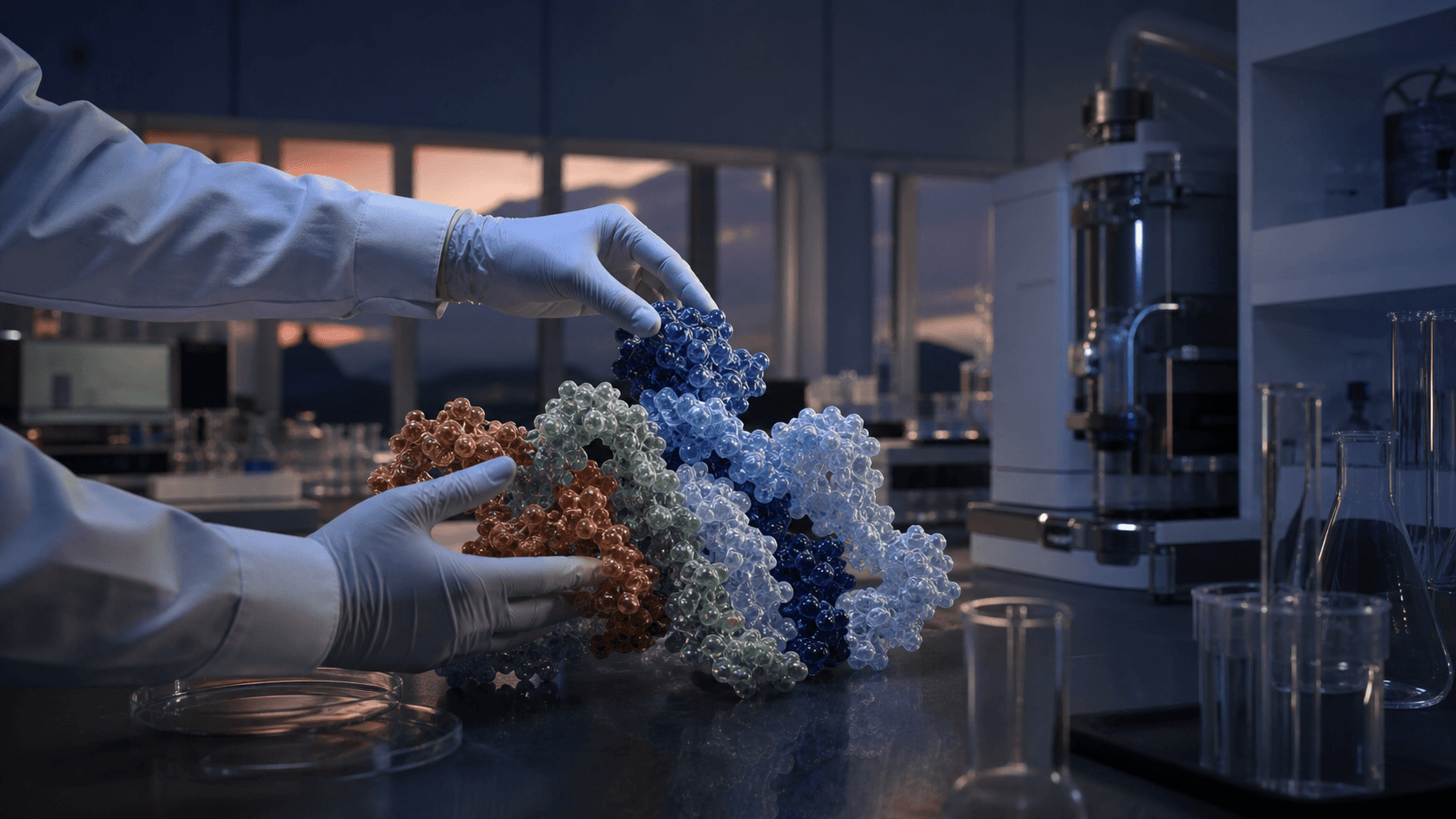
MIT's PottsMPNN work argues that reproducing nature's sequence is a weak target. A useful model should understand which different sequences can fold into the structure we actually want.
V4-Pro arrived with stronger agent benchmarks, native Responses API support, and pricing designed to move workloads through time. The reported $74 billion valuation is the loud part. The operating model is the signal.
Generative AI has become remarkably good at creating individual pieces of digital content. Images, videos, code, music, 3D objects, and even short interactive experiences can now be generated from natural-language prompts.
Anthropic’s release of Claude Fable 5 is not just another model update. It is one of those moments where the tools change enough that the value of the person using them changes too.
Years ago, when most people still thought of AI as a chatbot novelty, I made a prediction that sounded insane to a lot of web designers: eventually, websites would stop existing in the way we understand them. Maybe even browsers would stop mattering.
 01
01