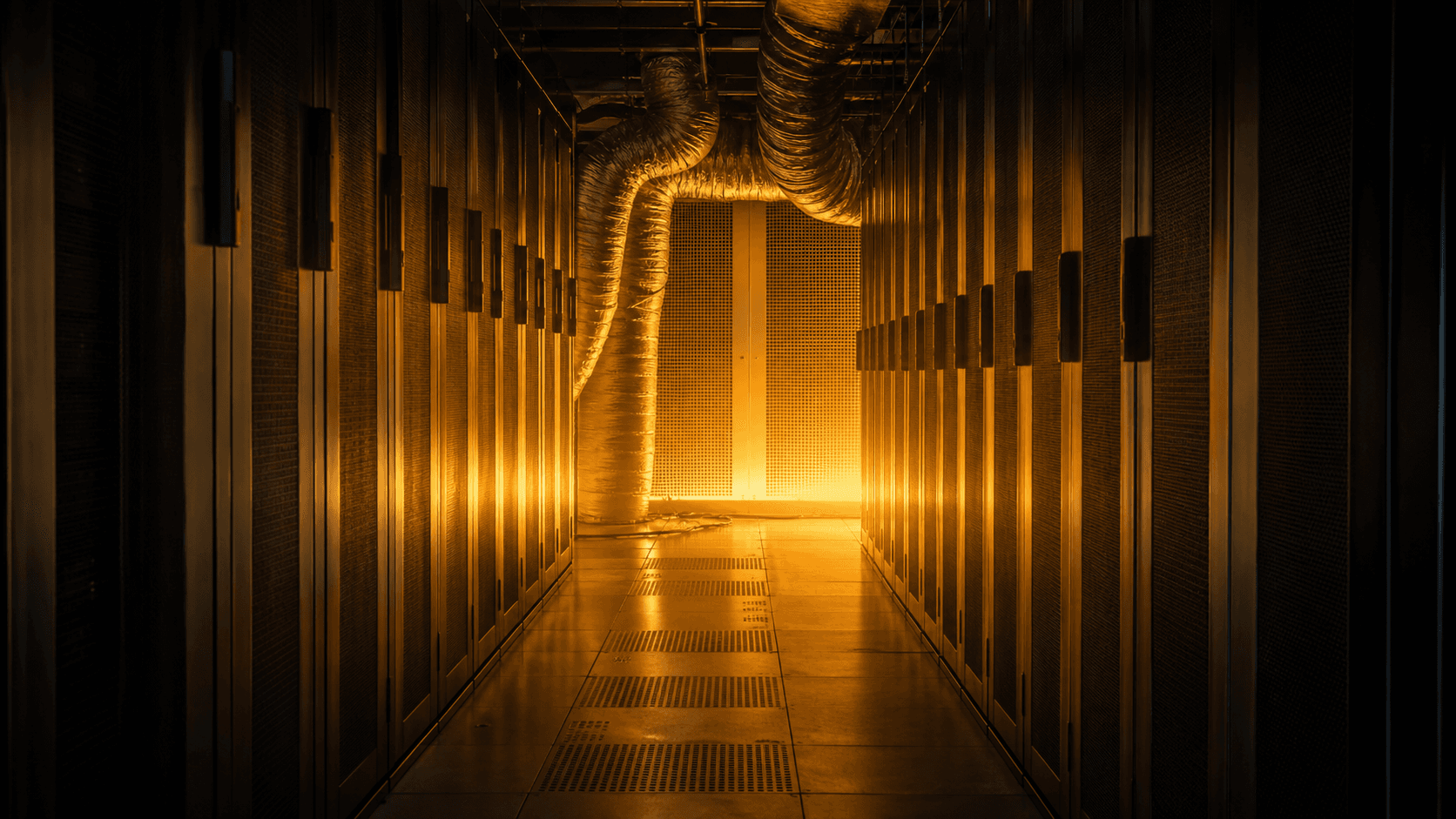
At 11 p.m. in Frankfurt, a routine maintenance failure turned redundant infrastructure into one very hot room. Proton's postmortem says both air-compressor systems supporting its data center cooling had been serviced without notice. When the maintenance went wrong, room temperature climbed from roughly 21.8 degrees Celsius to 51.9 degrees in less than half an hour, with some probes reaching 60 degrees.
The heat did not merely shut down a few servers. Proton says the primary and backup network switches in a critical rack failed, cutting access to several primary database copies. That is the ugly part of cascading failure: equipment can be redundant on a diagram while still sharing the same building, temperature, maintenance process, and operational surprise.
Database failover was deliberately supervised by humans. Proton says that choice protects against split-brain conditions, where two database copies accept conflicting writes. It also meant engineers had to establish exactly what remained healthy before restoring service. In an incident, integrity and speed are sometimes competing objectives. Proton chose not to gamble with customer data.
Cooling returned around 12:45 a.m. Central European Summer Time, most services were back around 1:30 a.m., and less critical systems such as push notifications and payments followed around 2 a.m. Some network cards had reached 105 degrees and needed cold resets. Proton says no email was lost, although delivery was delayed.
The lesson is not that hardware fails. Everybody knows that. The lesson is that maintenance coordination and shared physical dependencies belong inside the reliability model. Proton says it is adding capacity within weeks and plans further resilience work by year end. That work matters more than another dashboard. A backup system only counts if the same mistake cannot kill both copies at once.
LaunchPad positionRedundant equipment is not resilient when maintenance can quietly place both sides inside the same failure domain. Proton preserved consistency, but the price was a slower human-controlled recovery.
This report draws on the linked primary sources and reputable reporting. Company statements are treated as claims until independently demonstrated.