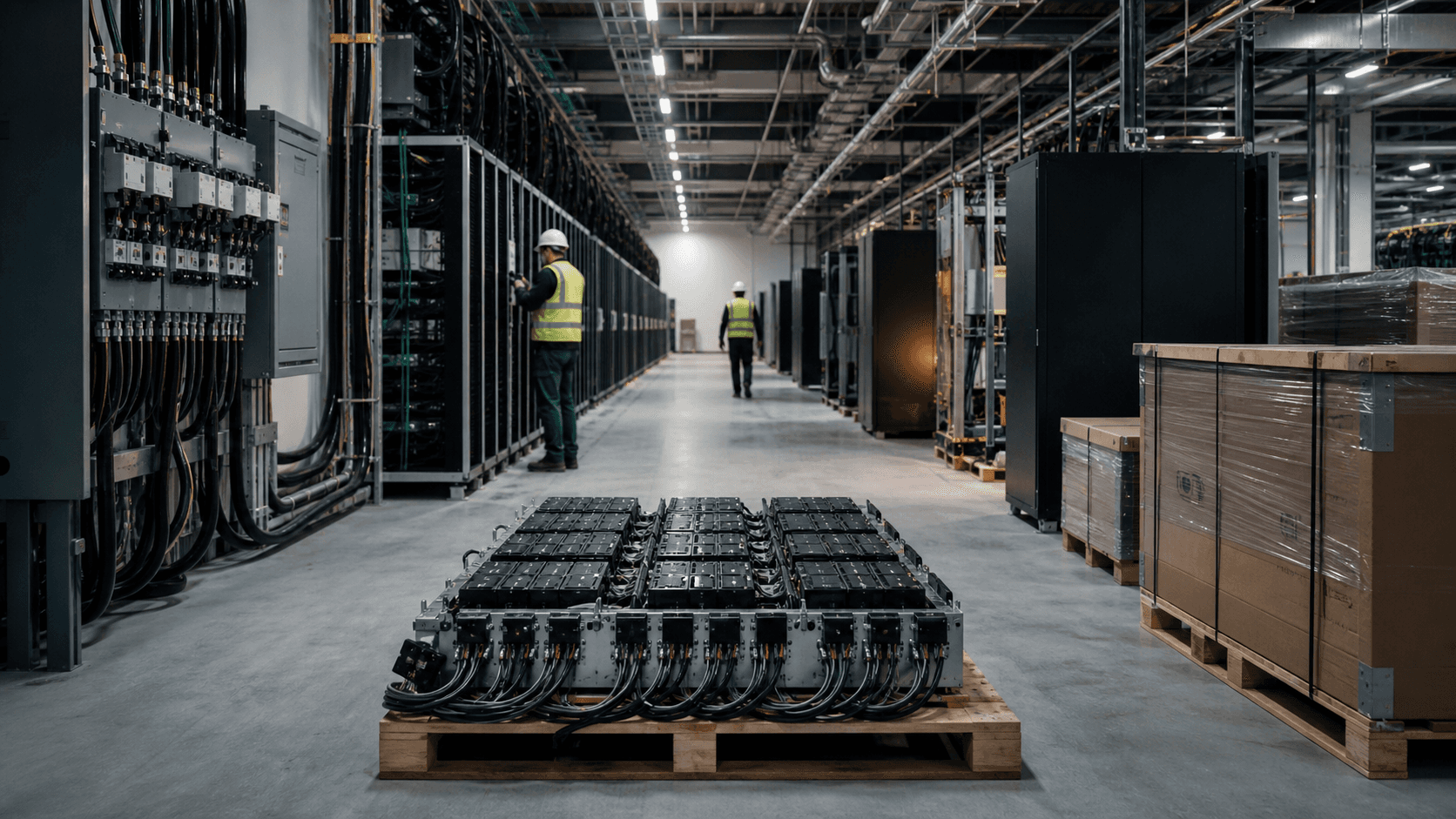
The AI buildout has reached the stage where a rack of GPUs can be packaged like a power plant, a fleet of aircraft, or a portfolio of leased equipment. Lambda closed a $926 million senior secured term loan facility to fund GPU infrastructure for a committed customer. The debt is secured by the servers and the cash flows those machines are expected to generate.
That structure matters more than another giant financing number. Equity capital funds possibility. Asset-backed debt funds contracted production. Lambda says the facility carries a Baa2 investment-grade rating, was priced at SOFR plus 3 percent, and fully amortizes by the end of 2030 on a schedule aligned with the underlying contracts and expected useful life of the hardware.
In plain English, lenders are underwriting AI compute as an income-producing machine. They are not simply betting that demand for intelligence will remain fashionable. They are looking at a customer commitment, a physical asset, a stream of payments, and a clock. That is how an emerging technology begins turning into an industrial market.
The clock is the dangerous part. GPUs are expensive, power-hungry, and exposed to rapid technical obsolescence. A facility can look brilliant while utilization is high and the customer is paying. It can become ugly if a new architecture crushes inference cost, workloads migrate, power delivery slips, or the hardware loses value faster than the debt amortizes.
Lambda has now completed two major debt financings this year, including a $1 billion secured credit facility announced in May. Bloomberg also reported a separate roughly $1 billion short-dated private debt transaction tied to chips for a Microsoft collaboration. The exact structures differ, but the direction is consistent: compute providers are using customer demand to pull enormous pools of private credit into the AI supply chain.
This changes who can compete. Neoclouds no longer need to finance every expansion with dilution or corporate balance-sheet risk. If they can sign bankable customers and isolate the assets, they can raise capital against the deployment itself. That increases the speed of the buildout and the amount of leverage inside it.
The next signal is not another announcement about GPUs purchased. It is performance after deployment: utilization, contract durability, refinancing terms, residual hardware value, and whether customer concentration remains manageable. AI infrastructure is becoming financeable. Now it has to prove it is financeable through a full hardware cycle.
LaunchPad positionThe AI infrastructure race is becoming a structured-finance business. Winning will require bankable customers, credible utilization, and hardware economics that survive depreciation, not just access to the newest chips.
This report draws on the linked primary sources and reputable reporting. Company statements are treated as claims until independently demonstrated.